
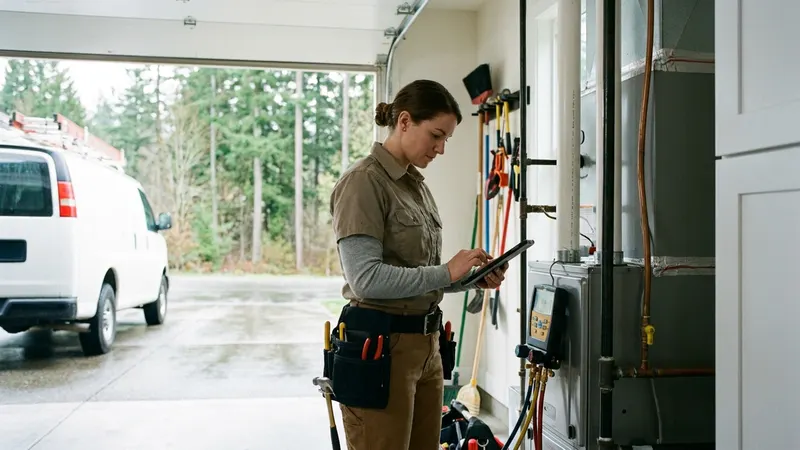
A standard HVAC tune-up takes 1 to 2 hours, while complex repairs or full system inspections can run 3 to 5 hours depending on your system’s size and condition.
Simple tune-ups can wrap up faster, while problems that point toward AC repair service or part replacement can extend the visit well into the afternoon because the technician has to diagnose, test, and confirm the fix.
Key Takeaways
- HVAC service duration varies but typically takes 1-2 hours
- Regular maintenance prevents costly repairs and improves efficiency
- Professional HVAC technicians thoroughly inspect and tune up your system
Understanding HVAC Systems
HVAC systems keep your home comfortable year-round. They’re complex, but knowing the basics can help you make smart choices about your home’s heating and cooling.
Components of HVAC Systems
The heart of any HVAC system is the main unit. It might be a furnace, air conditioner, or heat pump. These do the heavy lifting of heating or cooling your air.
Next comes the ductwork. Think of it as the circulatory system of your home. It carries that treated air to every room.
Don’t forget the thermostat. It’s the brains of the operation, telling your system when to kick on and off.
Filters are crucial too. They trap dust and allergens, keeping your air clean, so it’s worth changing them regularly.
Types of HVAC Systems
Here’s a breakdown of the most common types found in homes.
First, there are split systems. These are popular because they’re efficient and can cool a whole house. They have an outdoor unit and an indoor unit working together.
Heat pumps are versatile. They can both heat and cool a home by moving heat around.
For homes without ductwork, ductless mini-split systems are a common choice. They’re great for cooling specific rooms or additions.
Central air conditioning systems are the workhorses of home cooling. They use ducts to distribute cool air throughout the house.
If you’re looking for an eco-friendly option, geothermal systems are worth considering. They use the earth’s constant temperature to heat and cool your home.
The Importance of Regular HVAC Service
Neglected HVAC systems tend to break down at the worst possible moments. Regular HVAC service is like giving your system a health check-up. It keeps things running smoothly and catches problems before they become disasters.
Benefits of Regular Maintenance
The benefits of regular HVAC maintenance are significant. First off, it saves money. A well-maintained system uses less energy, cutting your bills by up to 15%. That’s not chump change.
But it’s not just about the money. Regular AC service means fewer breakdowns. In many homes, a simple maintenance check could have prevented a major headache.
Plus, your system will last longer. Instead of replacing your HVAC every 10 years, you could be looking at 15 or more with proper care. That’s a big difference in your pocket.
And don’t forget about air quality. A clean system means cleaner air in your home, which makes a real difference, especially for anyone with allergies or respiratory issues.
Preventative Measures
Now, let’s talk prevention. An ounce of prevention is worth a pound of cure, and that’s especially true for HVAC systems.
First up, change those filters regularly. It’s simple, but it’s easy to forget. Check monthly and change at least every 3 months.
Next, keep your outdoor unit clear. Leaves, dirt, and debris can really gum up the works. A quick clean every few weeks can make a big difference.
Don’t forget about your AC maintenance appointment. Schedule it in spring, before the heat hits. That way, you’re not scrambling when it’s 100 degrees outside.
Lastly, pay attention to your system. If you notice weird noises or smells, don’t ignore them. It’s better to catch issues early than wait for a full breakdown.
Factors Affecting Service Duration
The time an HVAC job takes can vary quite a bit. A few key things really impact how long you’ll be waiting for your system to get serviced.
Complexity of the HVAC System
HVAC systems aren’t all created equal. A simple window unit takes almost no time at all, while a massive commercial setup can take days.
The more complex your system, the longer it takes to service. High-efficiency models often have extra components that need attention. And a high-end Energy Star system may require additional checks to ensure it’s running at peak efficiency.
Multi-zone systems or those with advanced thermostats can also add to the service time. Each zone has to be working properly, and all the electrical connections need to be solid.
Accessibility and Workspace Conditions
The easier it is to get to your HVAC unit, the quicker the job gets done. A clean, well-lit workspace is a technician’s best friend.
If your unit is tucked away in a cramped attic or a hard-to-reach basement, it’s going to slow things down. A technician may need to move things around or bring in special equipment just to access the system.
Weather can play a role too. Working outside in extreme heat or cold means more breaks and more care. Safety comes first.
Extent of Service Required
This is where things can really vary. A routine maintenance check might only take an hour or two. But a major repair or full system replacement is a whole different ballgame.
For bigger jobs, a technician might need to replace multiple components or even upgrade the electrical system. That can stretch the job out over several days.
The age of your system matters too. Older units often need more attention and might have hard-to-find parts. And if any issues turn up during a routine check, that can extend the service time as those problems get addressed.
A thorough job takes time. It’s better to spend an extra hour making sure everything’s right than to rush through and leave a system that’s not running at its best.
Need to schedule HVAC service in Bellevue?
If you are planning around work, school, or a larger repair window, request a visit and confirm the expected time on site.
Call (425) 598-0416 Request a QuoteSteps Involved in HVAC Service
A good HVAC service job follows a tried-and-true process. This ensures nothing important gets missed and keeps your system running smoothly. Here are the key steps.
Initial Assessment
First, a technician does a thorough inspection of your HVAC system, checking all the components from the thermostat to the ductwork. This helps spot any obvious issues or potential problems.
During this stage, expect questions about any concerns you’ve noticed. Maybe your energy bills have gone up, or some rooms aren’t cooling properly. Your input is valuable and helps guide the assessment.
A technician will also take a look at your home’s layout and insulation. These factors can affect HVAC performance, and any red flags get flagged right away.
Service Execution
Once there’s a clear picture of what’s going on, the hands-on work begins. This might involve:
- Cleaning or replacing air filters
- Lubricating moving parts
- Checking refrigerant levels
- Tightening electrical connections
- Cleaning the condenser and evaporator coils
If any worn-out parts turn up, they get replaced to prevent future breakdowns. Sometimes that means ordering specific components, and you should be kept in the loop every step of the way.
For more complex jobs like system installations, a technician might need to pull permits or replace ductwork, making sure everything’s up to code.
Post-Service Testing
After the service work is done, the job isn’t over. A series of tests confirms everything’s working as it should. This includes:
- Checking airflow at all vents
- Verifying thermostat accuracy
- Monitoring system cycles
A test run confirms the system is cooling and heating effectively. If anything seems off, adjustments get made on the spot.
Before wrapping up, a good technician walks you through what was done and answers any questions you might have, along with tips on maintaining your HVAC system between services. A well-maintained system is an efficient system.