
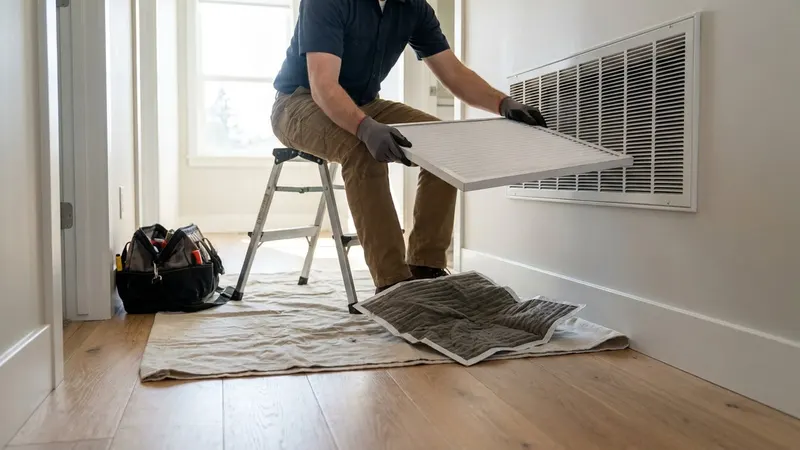
Let’s talk HVAC maintenance - it’s not as complicated as you might think. I’ve seen my fair share of neglected systems over the years, and trust me, a little TLC goes a long way. HVAC maintenance is the regular care and upkeep of your heating, ventilation, and air conditioning system to keep it running smoothly and efficiently. It’s like giving your car an oil change, but for the system that keeps your home comfy year-round.
I’ve crawled through more dusty ducts and tinkered with more thermostats than I can count. What I’ve learned is that a well-maintained HVAC system isn’t just about comfort - it’s about saving you money and headaches down the road. Regular HVAC maintenance can catch small problems before they turn into big, expensive ones. Plus, it keeps your system running at peak efficiency, which means lower energy bills and a longer lifespan for your equipment.
Key Takeaways
- Regular HVAC maintenance improves efficiency and extends system lifespan
- A mix of DIY tasks and professional check-ups keeps your system in top shape
- Proper maintenance can prevent costly breakdowns and reduce energy bills
Understanding HVAC Maintenance
HVAC maintenance keeps your heating and cooling system running smoothly. It’s all about taking care of your equipment so it takes care of you. Let me break it down for you.
Fundamentals of HVAC System
Your HVAC system is like the lungs of your home. It breathes in outside air, filters it, heats or cools it, and then pushes it through your house. The main parts are the furnace, air conditioner, and ductwork.
I’ve seen too many systems fail because folks didn’t know the basics. Your furnace heats the air, while the AC cools it. The thermostat is your control center. It tells the system when to turn on and off.
Don’t forget about the filter! It’s the unsung hero that keeps dust and allergens out of your air. Change it regularly, and your system will thank you.
Importance of Regular Maintenance
I can’t stress this enough - regular HVAC maintenance is crucial. It’s like changing the oil in your car. Skip it, and you’re asking for trouble.
Regular check-ups keep your system running efficiently. That means lower energy bills and a longer-lasting system. I’ve seen well-maintained units last 20 years or more!
It’s not just about saving money, though. A well-maintained HVAC system gives you better air quality. That means fewer allergies and a healthier home.
Plus, catching small problems early prevents big, expensive repairs later. Trust me, you don’t want your AC dying in the middle of a heatwave.
Terminology and Components
Let’s talk HVAC lingo. The evaporator coil is where the magic happens in your AC. It absorbs heat from your home’s air. The condenser, usually outside, releases that heat outdoors.
Your compressor is the heart of the system. It pumps refrigerant through the coils. The blower fan moves air through your ducts.
For heating, you might have a furnace or a heat pump. Furnaces burn fuel to create heat. Heat pumps move heat from outside to inside.
Don’t forget about your air ducts! They’re the highways that move air through your home. Keeping them clean and sealed is key to a healthy system.
Routine HVAC Maintenance Tasks
I’ve learned that keeping your HVAC system running smoothly is all about staying on top of a few key tasks. Let’s roll up our sleeves and dive into the nitty-gritty of what you need to do to keep your system humming along.
Inspecting and Replacing Air Filters
First things first, folks - air filters are the unsung heroes of your HVAC system. I can’t stress enough how important it is to check these bad boys regularly. A clogged filter is like trying to breathe through a straw - it’s gonna make your system work way too hard.
I recommend taking a peek at your filters every month. If they’re looking grimy, it’s time for a swap. Most filters need replacing every 1-3 months, but it depends on your home and lifestyle. Got pets or live in a dusty area? You might need to change ‘em more often.
Clean filters aren’t just about better air quality - they’re the key to keeping your system efficient. A clean filter can cut your energy consumption by up to 15%. That’s money in your pocket, folks!
Cleaning Components
Now, let’s talk about getting your hands dirty. Cleaning your HVAC components is crucial for keeping things running smooth as butter. Trust me, I’ve seen what happens when folks skip this step, and it ain’t pretty.
Start with the outdoor unit. Clear away any debris - leaves, twigs, you name it. Then, give that condenser coil a good cleaning. A dirty coil is like a clogged artery - it’ll make your system work overtime.
Inside, don’t forget about the evaporator coil and blower components. A buildup of dirt here can really mess with your airflow. And while you’re at it, take a look at your ducts. If they’re looking dusty, it might be time for a professional cleaning.
Remember, a clean system is an efficient system. By keeping things spick and span, you’re not just improving your air quality - you’re also extending the life of your HVAC system.
Checking System Controls
Alright, now let’s talk about the brains of the operation - your system controls. This is where a little know-how can go a long way in keeping your HVAC running like a well-oiled machine.
Start with your thermostat. Make sure it’s calibrated correctly - even a small discrepancy can lead to big energy waste. I’ve seen folks save a bundle just by fixing a wonky thermostat.
Next, check that all your system’s safety controls are working properly. This includes things like the high limit control and the blower door safety switch. These might seem small, but they’re crucial for keeping your system safe and efficient.
Don’t forget to test your system in both heating and cooling modes. Listen for any unusual noises and pay attention to how it cycles on and off. If something seems off, it’s better to catch it early before it turns into a bigger problem.
Troubleshooting Common HVAC Issues
I’ve seen my fair share of HVAC problems over the years. Let me tell you, most issues can be fixed with a little know-how and elbow grease. Here’s what I’ve learned about tackling some common HVAC headaches.
Identifying and Fixing Leaks
Leaks are the bane of any HVAC system. I always start by checking the obvious spots - refrigerant lines, condensate drain, and fuel line connections. A hissing sound or ice buildup on refrigerant lines is a dead giveaway for a refrigerant leak.
For condensate drain leaks, I clear any clogs with a wet/dry vac. It’s amazing how much gunk can build up in there. Don’t forget to check the drain pan for cracks too.
Gas leaks are serious business. If you smell gas, get out and call the pros immediately. For minor fuel line leaks, I tighten connections and replace any worn gaskets or seals.
Regular maintenance is key to preventing leaks. I always recommend an annual tune-up to keep everything shipshape.
Dealing with Thermostat Problems
Thermostat issues can drive you crazy, but they’re often simple fixes. First thing I do is check the batteries. You’d be surprised how many “broken” thermostats just need fresh AAs.
Next, I make sure it’s level and clean. A crooked or dusty thermostat can give false readings. If it’s a programmable model, I double-check the settings. Sometimes a power outage can mess with the programming.
If none of that works, I check for loose wiring connections. Careful though - if you’re not comfortable with electrical work, call in a pro. Safety first!
Addressing Unusual Noises or Smells
Weird noises and funky smells from your HVAC system are never a good sign. A rattling sound often means loose parts. I tighten any loose screws or bolts I find.
Squealing usually points to a belt problem. I check for wear and tear, and replace if necessary. A properly tensioned belt should deflect about half an inch when pressed.
For unusual smells, I first change the air filter. A dirty filter can cause all sorts of odors. If that doesn’t work, I check for mold growth in the ductwork or around the indoor unit.
A burning smell could mean trouble with the motor or electrical components. In that case, I shut off the system and call in reinforcements. Some problems are best left to the pros.
Advanced Maintenance Techniques
I’ve got some pro tips to take your HVAC maintenance to the next level. These advanced techniques will boost your system’s performance, save you money, and keep your home safe and comfortable.
Checking Refrigerant Levels
Refrigerant is the lifeblood of your AC system. I always check the refrigerant charge when I’m doing advanced maintenance. Low levels can cause poor cooling and damage your compressor.
Here’s what I do:
- Connect gauges to the service ports
- Compare pressures to manufacturer specs
- Add refrigerant if needed (only if I’m certified)
Warning signs of low refrigerant:
- Weak airflow
- Ice on copper lines
- Higher energy bills
If you smell a sweet odor, shut off your AC right away. That could mean a dangerous refrigerant leak. Call in a pro to fix it safely.
Ensuring Proper Airflow
Good airflow is crucial for efficiency. I’ve seen so many systems struggling because of airflow issues. Here’s how I tackle it:
- Clean or replace air filters monthly
- Vacuum vents and registers
- Clear debris from outdoor unit
- Check fan blades for damage
I also use an anemometer to measure airflow at each register. This helps me spot any duct leaks or blockages that need fixing.
Don’t forget your attic! Poor insulation up there can really mess with your airflow and efficiency.
Tuning Up the Electrical System
Electrical problems can be dangerous and expensive. I always give the electrical components a thorough once-over.
Here’s my checklist:
- Tighten all connections
- Check for frayed wires
- Test capacitors and contactors
- Measure voltage and amperage
I use a multimeter to check for any voltage drops. That can signal a failing component.
Safety first! I always install a carbon monoxide detector near the HVAC system. It’s a small step that could save lives.