
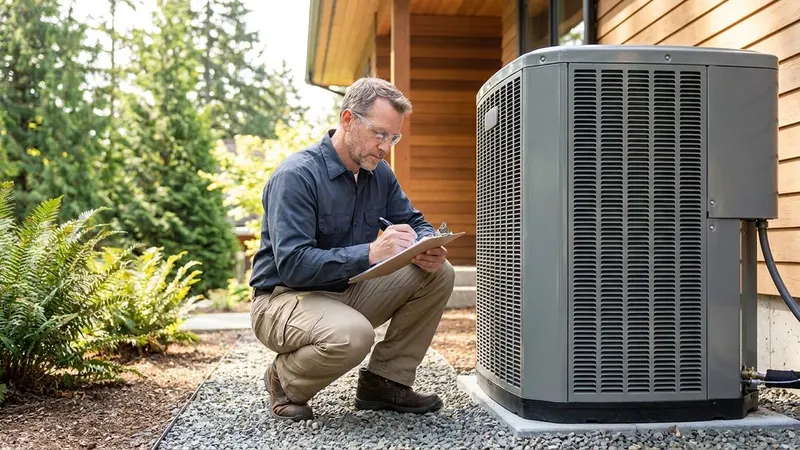
A free HVAC maintenance log template helps track filter changes, tune-ups, and repairs so your heating and cooling system runs reliably year-round. If you need hands-on help, see our AC repair service page.
Need HVAC help in Bellevue?
Contact HVAC Service Bellevue for practical help with repairs, maintenance, and replacement planning.
Call (425) 598-0416 Request a QuoteUnderstanding HVAC Maintenance
I’ve seen firsthand how proper HVAC care keeps homes cozy and wallets happy. Let’s dive into why staying on top of your heating and cooling is so darn important.
The Importance of Regular Maintenance
I can’t stress this enough - regular HVAC check-ups are crucial. They’re like taking your car for an oil change, but for your home’s comfort system.
Preventative maintenance keeps your system running smoothly and efficiently. I’ve seen too many units fail because folks neglected them. Don’t make that mistake!
Regular tune-ups catch small issues before they become big, expensive problems. They also help your system use less energy, which means lower bills for you.
Clean filters and coils improve your home’s air quality too. That’s a big deal for anyone with allergies or respiratory issues.
HVAC Systems Overview
HVAC stands for heating, ventilation, and air conditioning. It’s the heart of your home’s comfort system.
The heating part keeps you toasty in winter. It might be a furnace, boiler, or heat pump. Ventilation moves air around and helps control humidity. Air conditioning cools your home in summer.
These systems work together to keep your indoor climate just right. They’re complex machines with lots of moving parts. That’s why regular check-ups are so important.
I’ve seen systems last 20+ years with proper care. Neglected ones? They’re lucky to make it half that long.
Benefits of Preventative Maintenance
I’m a big believer in preventative maintenance. It’s like insurance for your HVAC system. Here are some key benefits:
- Improved efficiency: A well-maintained system uses less energy.
- Lower bills: Less energy use means smaller utility bills.
- Fewer breakdowns: Regular check-ups catch problems early.
- Longer lifespan: Well-cared-for systems last longer.
- Better air quality: Clean systems mean cleaner air in your home.
Keeping a maintenance log helps track what’s been done and when. It’s a great tool for staying on top of your HVAC care.
Regular maintenance might seem like a hassle, but it pays off big time in the long run.
HVAC Maintenance Checklist Essentials
I’ve put together this handy checklist to keep your HVAC system purring like a kitten. Trust me, a little TLC goes a long way in preventing those costly breakdowns and keeping your home comfy year-round.
Daily and Weekly Tasks
I always tell folks to start with the basics. Every day, take a quick listen for any odd noises coming from your system. It’s like checking the pulse of your HVAC.
Weekly, I make it a point to change dirty air filters if needed. Clean filters are the lungs of your system, folks!
Here’s a quick hit list for you:
- Check thermostat settings
- Clear debris around outdoor units
- Look for any water leaks
- Clean or replace air filters every 1-4 weeks
Don’t forget to check those vents and registers. Make sure they’re open and unblocked. It’s amazing how often I see furniture blocking the airflow.
Monthly Inspection Points
Once a month, I like to give the system a more thorough once-over. Start by inspecting the condensate drain line. A clogged line can lead to water damage faster than you can say “mold problem.”
Here’s what I check monthly:
- Blower components
- Electrical connections
- Refrigerant levels
- Condenser coil cleanliness
I always recommend checking the blower area, including belt tension and motor bearings. A squeaky belt is like a check engine light for your HVAC.
Annual Maintenance Activities
Now, for the yearly deep dive. This is where we roll up our sleeves and get dirty.
I start with a full system cleaning, including the evaporator and condenser coils. It’s like giving your HVAC a spa day.
Key annual tasks include:
- Lubricating all moving parts
- Checking and cleaning the heat exchanger
- Calibrating the thermostat
- Tightening all electrical connections
I always inspect the ignition burner assembly too. A faulty ignition can lead to carbon monoxide risks, and that’s not something to mess around with.
In-Depth Equipment Care
I’ve seen a lot of HVAC systems in my day, and let me tell you, proper care makes all the difference. Regular checks and maintenance keep your system running smoothly and efficiently. Let’s roll up our sleeves and dive into the nitty-gritty of caring for your HVAC equipment.
Heat Pump and Furnace Care
When it comes to heat pumps and furnaces, I always start with the filter. A clean filter is like a breath of fresh air for your system. I replace it every 1-3 months, depending on use.
Next, I check the blower area. A buildup of dust here can really hurt efficiency. I use a vacuum and soft brush to clean it out gently.
For gas furnaces, I pay special attention to the ignition area. Any issues here can be dangerous, so I make sure it’s clean and functioning properly.
I also inspect the heat exchanger for cracks or corrosion. This is crucial for safety and efficiency. If I spot any issues, I call in a pro right away.
Air Conditioning Unit Inspection
Air conditioners need love too! I start by checking the condenser and compressor area. These parts work hard, so I make sure they’re clean and unobstructed.
I clean the condenser coils annually. A buildup of dirt here can really make your AC struggle. I use a soft brush and coil cleaner to get them sparkling.
The refrigerant level is crucial. If it’s low, your AC won’t cool properly. I check for leaks and top up if needed.
Lastly, I inspect the fan blades and motor. Any wobbling or strange noises here could spell trouble down the line.
Ventilation System Upkeep
Ventilation is often overlooked, but it’s key to a healthy home. I start by checking all vents and grilles. They should be clean and unblocked.
I inspect the ductwork for leaks or damage. Even small leaks can waste a lot of energy. I seal any I find with mastic or metal tape.
The blower fan is the heart of your ventilation system. I clean it thoroughly and check for any signs of wear.
I also check the dampers. These control airflow, so they need to be working properly. I lubricate them if needed.
Refrigeration Cycle Components Check
The refrigeration cycle is what keeps you cool, so I take it seriously. I start by checking the evaporator coil. It should be clean and frost-free.
Next, I inspect the condensate drain. A clogged drain can cause water damage, so I make sure it’s clear.
I check all refrigerant lines for signs of leaks or damage. Even a small leak can cause big problems.
Finally, I test the thermostat. It’s the brain of your system, so it needs to be accurate. I calibrate it if needed.
Tools for Effective Maintenance Management
I’ve seen a lot of HVAC pros struggle with keeping track of their maintenance tasks. But let me tell you, there are some great tools out there that can make your life a whole lot easier. Trust me, I’ve tried ‘em all.
Software Solutions for Scheduling
HVAC software is a game-changer for scheduling. I love using ServiceTitan because it lets me plan out my whole week in a snap. I can see all my jobs at a glance and even set up recurring maintenance visits.
No more double-booking or forgetting appointments. This software sends reminders to my clients too, which they really appreciate. It’s like having a personal assistant who never sleeps.
I can also track parts inventory, so I always know what I need to stock up on. It’s saved my bacon more than once when I’ve needed a specific part for a job.
Utilizing Mobile Apps for Tracking
Mobile apps have revolutionized how I track my work. I use one that lets me log maintenance tasks right from my phone. No more scribbling notes on greasy paper!
I can take photos of the equipment, record voice notes, and even get the customer’s signature on the spot. It’s all synced to the cloud, so I never lose any info.
These apps also help me keep an eye on my team’s progress. I can see where everyone is and what they’re working on in real-time. It’s great for managing multiple jobs at once.
Go Paperless with Digital Checklists
I’m a big fan of digital checklists. They’ve made my HVAC maintenance log so much more efficient. I’ve got templates for every type of system I work on.
These checklists ensure I never miss a step, even on those long, tiring days. They’re customizable too, so I can add specific checks for unique equipment.
The best part? I can share these checklists with my clients. It shows them exactly what work I’ve done and gives them peace of mind. Plus, it’s great for my records come tax time.
Digital checklists have seriously improved my customer experience. Clients love seeing a professional, detailed report of the work I’ve done. It’s helped me build trust and get more repeat business.
Maintaining Customer-Focused Service
I’ve learned that keeping customers happy is the key to success in HVAC maintenance. It’s all about building trust, delivering quality work, and listening to what folks need.
Building Strong Customer Relationships
I always make it a point to get to know my customers. I jot down important details in my HVAC maintenance log - things like their preferred temperature settings or any specific concerns they’ve mentioned before. This way, I can provide a more personal touch each time I visit.
I make sure to explain what I’m doing in simple terms. No fancy jargon here - just straight talk about their HVAC system. I’ve found that customers appreciate honesty and clarity.
I also try to be flexible with scheduling. Life happens, and sometimes plans change. By being understanding, I show that I value their time as much as my own.
Ensuring Quality and Timeliness
When it comes to HVAC work, cutting corners is a big no-no. I always double-check my work and make sure everything’s running smoothly before I leave.
I use a detailed maintenance log sheet to keep track of what I’ve done. This helps me stay organized and ensures I don’t miss any important steps.
Timeliness is crucial too. I make it a habit to arrive on time, or even a few minutes early. If I’m running late due to an emergency, I always give the customer a heads up.
Feedback: Enhancing Customer Satisfaction
I’m not afraid to ask for feedback. After each job, I take a moment to check in with the customer. I ask if they’re happy with the work and if there’s anything else I can do.
I keep a customer log sheet where I record their comments. This helps me track satisfaction levels and identify areas where I can improve.
If a customer isn’t 100% satisfied, I make it my mission to fix the issue right away. It’s all about going the extra mile to make sure they’re happy with the service they’ve received.