
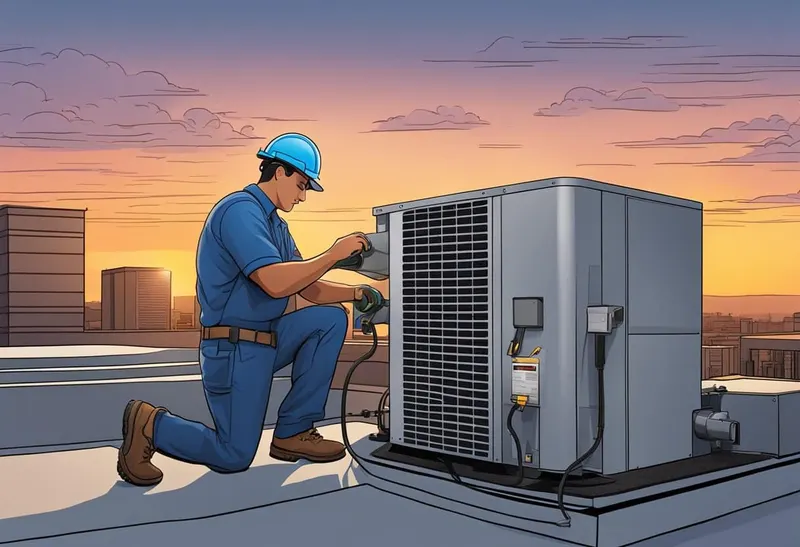
Running an HVAC company means managing technicians, seasonal cash flow, licensing, and customer retention. Here’s an honest look at the daily realities. If you need hands-on help, see our AC repair service page.
Need HVAC help in Bellevue?
Contact HVAC Service Bellevue for practical help with repairs, maintenance, and replacement planning.
Call (425) 598-0416 Request a QuoteForming the Foundation
Starting an HVAC business takes guts, know-how, and a solid plan. I’ve seen plenty of folks dive in without laying the groundwork, and let me tell you, it ain’t pretty. Let’s roll up our sleeves and get into the nitty-gritty of building a rock-solid foundation for your HVAC company.
Understanding the HVAC Industry
I’ve been around the block in this industry, and let me tell ya, it’s always changing. You’ve got to keep your finger on the pulse of new tech, regulations, and customer needs.
Here’s what I keep an eye on:
- Energy efficiency trends
- Smart home integration
- Indoor air quality concerns
- Refrigerant changes
Networking is key. I make it a point to chat with suppliers, attend trade shows, and swap stories with other pros. It’s not just about staying current; it’s about spotting opportunities before they become trends.
Developing Your HVAC Business Plan
Now, don’t roll your eyes at me. I know paperwork ain’t fun, but a solid HVAC business plan is your roadmap to success. Trust me, I’ve seen too many good technicians fail because they skipped this step.
Your plan should cover:
- Market analysis
- Services offered
- Pricing strategy
- Marketing approach
- Financial projections
Be honest with yourself. What makes your business unique? Maybe you’re the go-to guy for eco-friendly systems or you’ve got a knack for troubleshooting old units. Whatever it is, make it shine in your plan.
Choosing Your Business Structure
Picking the right business structure is like choosing the right tool for the job. You wouldn’t use a wrench to hammer a nail, would ya? Same goes here.
Common structures include:
- Sole proprietorship
- Partnership
- LLC
- Corporation
I started as a sole proprietor, but as I grew, I switched to an LLC. It gave me more protection and flexibility. Talk to a lawyer or accountant. They’ll help you weigh the pros and cons for your situation.
Obtaining Necessary Licenses and Certifications
Listen up, because this part’s crucial. You can’t just slap a logo on your truck and call yourself an HVAC pro. You need the right papers to back it up.
Must-haves include:
- State contractor’s license
- EPA Section 608 certification
- Local business permits
Don’t skimp on certifications. They’re not just legal requirements; they show your customers you know your stuff. I make it a point to get specialized training whenever I can. It’s an investment in yourself and your business.
Remember, these licenses and certs aren’t just pieces of paper. They’re your ticket to bidding on bigger jobs and building trust with clients. Stay on top of renewals and continuing education. In this biz, you never stop learning.
Financials and Startup Essentials
Starting an HVAC company takes some serious cash and smart planning. I’ve seen plenty of folks dive in without thinking it through, and let me tell you, it ain’t pretty. Let’s break down what you really need to know.
Assessing Startup Costs
I’ve helped dozens of HVAC pros get their businesses off the ground, and startup costs typically fall between $10,000 and $50,000. That’s a wide range, I know, but here’s how it shakes out:
- Basic tools and equipment: $5,000 - $15,000
- Vehicle (used van or truck): $5,000 - $20,000
- Licenses and permits: $500 - $2,000
- Insurance: $2,000 - $3,000 per year
- Marketing: $500 - $2,000
Remember, these are just ballpark figures. Your mileage may vary depending on where you’re setting up shop and how fancy you want to get with your gear.
Securing Funding and Managing Finances
Now, unless you’ve got a big ol’ pile of cash sitting around, you’ll need to secure some funding. I’ve seen plenty of HVAC pros start with a small business loan. Here’s what you need to do:
- Clean up your credit score
- Write a solid business plan
- Gather financial documents
- Shop around for the best rates
Once you’ve got the cash, managing it is crucial. I always tell my buddies to:
- Keep personal and business finances separate
- Track every penny coming in and going out
- Set aside money for taxes (trust me, you’ll thank me later)
- Build an emergency fund for slow seasons
Setting Up Office Space and Storage
You don’t need a fancy office to get started. Heck, I’ve seen plenty of successful HVAC businesses run out of a home office at first. But you will need somewhere to store your equipment and supplies.
If you’re starting small, a garage or storage unit might do the trick. As you grow, you might want to look into renting a small warehouse space. Just make sure it’s:
- Secure (your tools are your livelihood)
- Easily accessible (for those middle-of-the-night emergency calls)
- Big enough to organize your inventory
Remember, your workspace doesn’t have to be pretty, but it does need to be functional. Focus on what you need to get the job done right, and worry about the fancy stuff later.
Building Your Brand and Marketing
Let me tell you, getting your HVAC business noticed takes some elbow grease, but it’s worth it. I’ve seen plenty of companies struggle without a solid marketing plan. Let’s dive into how you can build your brand and get those phones ringing.
Creating an HVAC Marketing Strategy
First things first, you need a game plan. I always start by figuring out who my ideal customers are. Are they homeowners? Business owners? Both? Once you know that, you can tailor your message to speak their language.
Next, I like to set some clear goals. Maybe you want to boost your AC installs by 20% this summer. Write it down and make it happen.
Don’t forget to check out what your competition is up to. It’s not about copying them, but learning from what works and what doesn’t.
Lastly, decide on your budget. You don’t need a fortune, but you do need to invest in your marketing. Trust me, it’ll pay off in the long run.
Leveraging Social Media Presence
Now, let’s talk social media. It’s not just for cat videos anymore. I’ve seen HVAC businesses crush it on platforms like Facebook and Instagram.
Post before-and-after photos of your installations. People love a good transformation. Share quick tips on maintaining HVAC systems. It shows you know your stuff and helps build trust.
Don’t be afraid to show your personality. Post pictures of your team in action. It humanizes your brand and makes folks more likely to call you when their AC conks out.
Remember to engage with your followers. Answer questions, respond to comments. It’s all about building relationships.
Crafting Effective HVAC Ads and Email Campaigns
When it comes to ads, keep it simple and clear. Focus on the benefits you provide. “Stay cool this summer” beats “We install AC units” any day of the week.
For email campaigns, timing is everything. Send AC maintenance reminders in spring, heating tips in fall. People want helpful, relevant content.
Use eye-catching subject lines. “Is your AC ready for summer?” is more likely to get opened than “HVAC Newsletter”.
Include a clear call-to-action in every email. Make it easy for folks to book a service or get in touch.
Establishing Referral Programs and Client Satisfaction
Let’s face it, word-of-mouth is gold in this business. Happy customers are your best advertisers. That’s why I always go the extra mile on every job.
Set up a referral program. Offer discounts or freebies for customers who send new business your way. It’s a win-win situation.
After each job, follow up. Ask for feedback. If they’re happy, encourage them to leave a review online. If they’re not, fix it fast.
Remember, client satisfaction isn’t just about the quality of your work. It’s about the whole experience. Be on time, be friendly, and always clean up after yourself.
Operations and Service Delivery
Running an HVAC company is all about keeping things flowing smoothly. I’ve learned that good operations and top-notch service are the backbone of any successful HVAC business. Let me break it down for you.
Managing Day-to-Day Operations
In my years in the field, I’ve seen firsthand how crucial solid management is. You’ve got to stay on top of scheduling, dispatch, and inventory. I use field service management software to keep everything humming along.
Here’s what I focus on:
- Scheduling jobs efficiently
- Tracking technician locations
- Managing parts inventory
- Handling customer calls and emails
I make sure my team starts each day with a clear plan. We have a quick morning huddle to go over the day’s jobs and any potential hiccups. It’s all about being proactive, not reactive.
Equipment and Tool Essentials
Let me tell you, having the right tools can make or break your HVAC business. I’ve invested in quality HVAC tools and equipment that get the job done right the first time.
My must-have list includes:
- Refrigerant gauges
- Vacuum pumps
- Multimeters
- Pipe cutters and benders
- Recovery machines
I also keep my service vehicles well-stocked with common parts. This saves time and helps us solve problems on the spot. Trust me, customers appreciate quick fixes.
Delivering Quality HVAC Services
Quality work is non-negotiable in this business. I’ve built my reputation on doing things right, not just fast. Every job gets my full attention, whether it’s a simple filter change or a complex system install.
My approach to quality service:
- Thorough diagnostics before starting work
- Clear explanations to customers about the problem and solution
- Using only high-quality parts and equipment
- Following manufacturer specs and local codes
I also believe in ongoing training for my team. The HVAC field is always changing, and we need to stay sharp to deliver the best service.
Cultivating Customer Service Excellence
In my book, great customer service is just as important as technical skills. I train my team to be friendly, professional, and patient. We aim to make every interaction positive, from the first phone call to the final handshake.
Key customer service practices:
- Prompt response to calls and messages
- Clear communication about arrival times
- Respecting customers’ homes (shoe covers, drop cloths)
- Following up after service to ensure satisfaction
I’ve found that going the extra mile really pays off. Customers remember when you take the time to explain things or offer helpful tips. It’s about building relationships, not just fixing machines.