
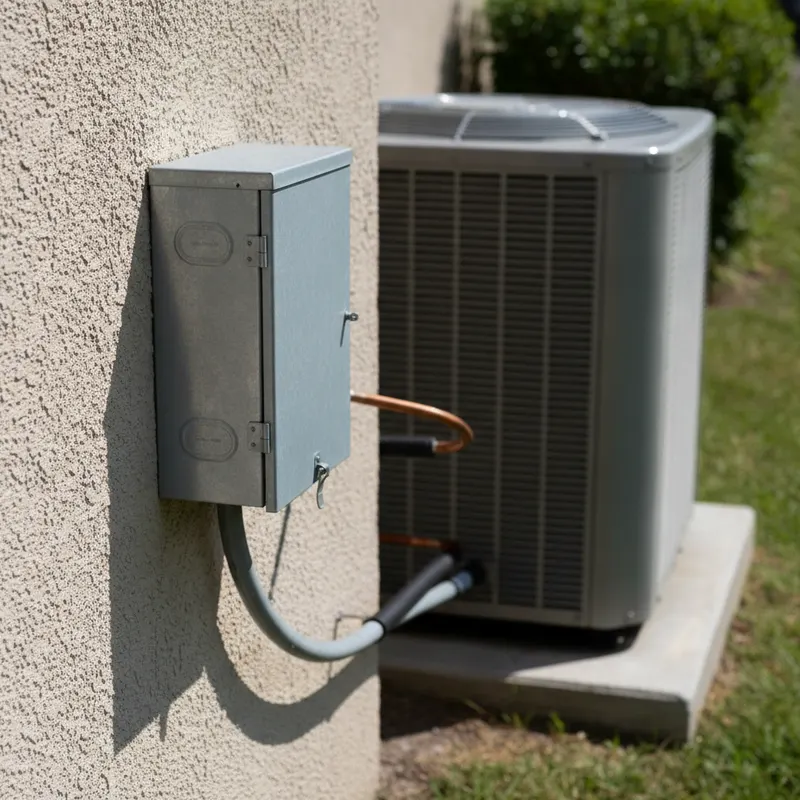
Ever wondered what keeps your home’s electrical system safe and sound? Let me introduce you to the unsung hero of your electrical setup - the service switch. This little powerhouse plays a big role in protecting your home and family from electrical hazards. A service switch is a crucial device that disconnects your entire electrical system from the utility power supply, acting as the main shutoff point for your home’s electricity.
I’ve seen my fair share of electrical setups over the years, and let me tell you, a properly installed service switch is worth its weight in gold. It’s not just about flipping a switch - it’s about having peace of mind knowing you can cut power quickly in an emergency. Plus, it makes maintenance and repairs a whole lot safer for us electricians.
Now, you might be wondering if your home has one of these nifty devices. Well, if you’ve got a newer place, chances are you’re covered. But for older homes, it’s worth checking out. Trust me, I’ve been in enough crawl spaces and attics to know that not all electrical systems are created equal!
Key Takeaways
- A service switch disconnects your entire home’s electricity from the utility supply
- Service switches are essential for safety during emergencies and maintenance
- Proper installation of a service switch is crucial for electrical system protection
Understanding Service Switches
Service switches are crucial components in electrical systems. They keep homes and buildings safe while allowing us to control power flow. Let’s break down what these switches are all about and why they matter.
Definition and Function
A service switch is the main disconnect device for a building’s electrical system. I’ve seen these in all sorts of places, from small homes to big factories. It’s the first line of defense against electrical issues.
The switch’s job is simple but important. It cuts off power to the whole building when needed. This comes in handy for maintenance work or emergencies. I can’t stress enough how vital this is for safety.
These switches are usually found near where power enters the building. You’ll spot them in a big metal box, often outside or in a utility room.
Types of Service Switches
https://www.youtube.com/embed/FhFcJlBrSW8
In my years of experience, I’ve come across a few different types of service switches. The main ones are:
- Manual switches: These are operated by hand. You flip them on or off as needed.
- Automatic switches: These kick in on their own during power issues.
- Transfer switches: They switch between different power sources, like utility power and a backup generator.
Each type has its place. Manual switches are simple and reliable. Automatic ones offer better protection. Transfer switches are great for places that need constant power.
The choice depends on the building’s needs and local codes. I always tell folks to consult an expert before picking one.
Service Entrance Rated Switches
Now, let’s talk about service entrance-rated switches. These are special. They’re designed to be the main disconnect for the whole building.
What makes them different? They combine the functions of a service disconnect and a transfer switch. This means they can:
- Cut off power from the utility
- Switch to backup power if needed
- Meet strict safety standards
I’ve installed many of these, and they’re real workhorses. They’re perfect for homes with generators or businesses that can’t afford power outages.
One big advantage is they simplify the electrical setup. Instead of separate disconnect and transfer switches, you get it all in one package. It’s neater, takes up less space, and can be more cost-effective in the long run.
Electrical Standards and Codes
When it comes to service switches, there’s a whole world of codes and standards we need to follow. I’ve worked on countless electrical projects, and let me tell you, these guidelines are there to keep us all safe. Let’s dive into the key regulations that shape how we handle electrical systems.
The National Electric Code (NEC)
The NEC is our bible in the electrical world. I’ve seen it save lives and prevent fires. It’s a comprehensive set of rules that cover everything from wiring to equipment installation. The NEC requires a disconnect method where electricity enters a building. This is where our service switch comes in handy.
The code gets updated every three years, so I always make sure I’m up to date. It covers:
- Proper wiring techniques
- Grounding requirements
- Overcurrent protection standards
I can’t stress enough how important it is to follow these guidelines. They’re not just suggestions - they’re crucial for safety.
NFPA 70 Regulations
NFPA 70 is another name for the NEC. It’s published by the National Fire Protection Association. I’ve seen firsthand how these regulations prevent electrical fires. They cover:
- Service entrance requirements
- Circuit breaker specifications
- Transfer switch standards
One key aspect is service entrance-rated switches. These switches can act as the main disconnect, which is crucial for safety and code compliance.
Equipment Certification and Compliance
When I’m on a job, I always check for proper certification. It’s not just about following rules - it’s about ensuring everything works safely. Key certifications include:
- UL (Underwriters Laboratories) listing
- CSA (Canadian Standards Association) approval
- ETL (Intertek) certification
These marks tell me the equipment has been tested and meets safety standards. I’ve seen uncertified equipment cause major problems, so I never take chances.
Service Disconnect Installation
Installing a service disconnect is serious business. It’s all about safety and following the rules. I’ve seen my fair share of botched jobs, so let me walk you through how to do it right.
Choosing the Right Location
When it comes to picking a spot for your service disconnect, you gotta think like a pro. I always put it near the service entrance where the power comes into the building. This makes it easy to find in an emergency.
Don’t forget about accessibility. You want to be able to reach that switch quick if things go south. I’ve seen disconnects hidden behind bushes or in tight spots. Big mistake!
Weather is another factor. I make sure the disconnect is protected from the elements. A little rain or snow can cause big problems if it gets inside.
Lastly, check your local codes. Some places have specific rules about where you can put these things. Trust me, it’s better to do it right the first time than have to move it later.
Installation Best Practices
https://www.youtube.com/watch?v=0groxS9MaSw
Now, let’s get our hands dirty with the actual install. First things first, safety gear on! I never mess with electricity without proper protection.
Start by turning off the main power. Double-check with a voltage tester. I’ve zapped myself once, and let me tell you, it’s not fun.
When wiring the disconnect, make sure you use the right size wire. Undersized wire can overheat and cause fires. I always go a size up if I’m not sure.
Secure all connections tightly. Loose wires are a recipe for disaster. I give each one a good tug to make sure they’re not going anywhere.
Don’t forget to seal all openings. Water and critters love to find their way in if you leave any gaps.
Label everything clearly. Future you (or the next guy) will thank you when it’s time for maintenance.
Maintenance Considerations
A service disconnect isn’t a set-it-and-forget-it deal. Regular checks keep it working safely for years.
I inspect mine at least once a year. Look for signs of wear, corrosion, or damage. Catch problems early, and you’ll save yourself a heap of trouble.
Keep the area around the disconnect clear. I’ve seen folks use them as storage shelves. Bad idea! You need quick access in an emergency.
If you hear buzzing or see sparks, call a pro right away. Some things are best left to the experts.
Switchgear and Panelboards
When I’m working on electrical systems, I often come across switchgear and panelboards. These are crucial components that control and distribute power in buildings. Let me break down the key differences and functions of panelboards, switchboards, and how metering and feeders fit into the picture.
Panelboards
Panelboards are the workhorses of electrical distribution in homes and small businesses. I’ve installed countless of these over the years. Panelboards are designed to control light, heat, or power circuits. They’re typically rated up to 1,200 amps and can handle voltages up to 600V.
In my experience, panelboards are great for:
- Residential homes
- Small offices
- Retail shops
I always make sure to install panelboards in easily accessible locations. They need to be within reach for quick circuit changes or maintenance.
Switchboards
Now, when I’m dealing with larger buildings or industrial settings, I reach for switchboards. These bad boys are the heavy lifters of power distribution. Switchboards can handle up to 5,000 amps, making them perfect for:
- Factories
- Large office buildings
- Hospitals
Switchboards are beefier than panelboards. They’ve got more robust construction and can handle higher currents. I always make sure to leave plenty of space around switchboards for maintenance and safety.
Metering and Feeders
When it comes to metering and feeders, I’m all about precision and safety. Metering equipment helps track power usage, while feeders distribute power from the main service to various circuits.
In my projects, I use:
- Digital meters for accurate readings
- Properly sized feeders to prevent overheating
I always double-check feeder connections. Loose connections can cause overheating and pose fire risks. It’s crucial to use the right size feeders for the load they’ll carry.