
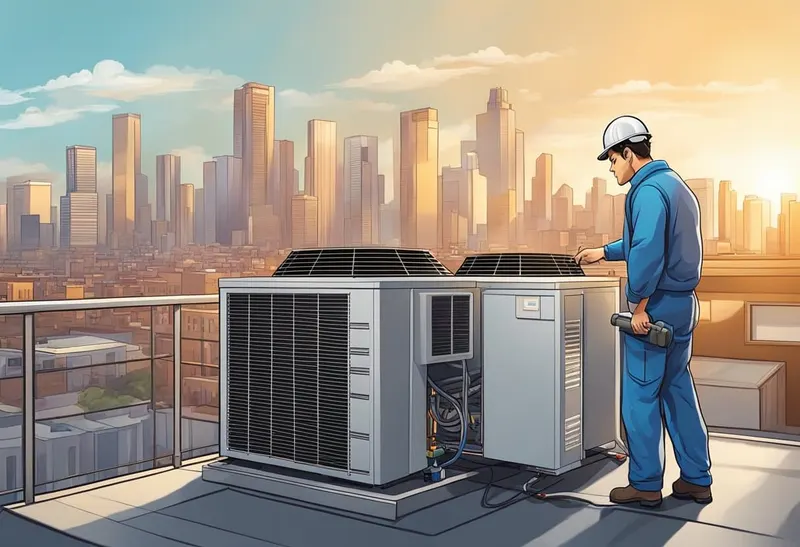
Many HVAC technicians enjoy the hands-on problem solving, steady demand, and variety that come with the work. It’s a rewarding career for people who like fixing things and seeing the results right away.
As an HVAC tech, I get to work with my hands and tackle complex issues daily. There’s nothing quite like the feeling of diagnosing a tricky problem and getting a system up and running again. I enjoy the variety - one day I might be on a rooftop, the next in a crawlspace. It keeps things interesting.
The job security is another big plus. People always need heating and cooling, so there’s steady work year-round. I also like that I can start my career quickly without spending years in school. The pay is solid, and there are lots of chances to learn new skills as technology advances.
Key Takeaways
- HVAC work offers daily problem-solving and hands-on satisfaction
- The career provides job security and opportunities for growth
- Technicians enjoy variety in their work environments and tasks
A Glimpse into the HVAC Profession
HVAC is a field that keeps you on your toes. You’ll rarely get bored working with heating, ventilation, and air conditioning systems because there’s always something new to learn and fix.
Understanding HVAC Systems
HVAC systems are the unsung heroes of our buildings. They keep us comfy in all seasons. As an HVAC tech, I work with furnaces, air conditioners, heat pumps, and more. These systems have lots of moving parts:
- Compressors
- Condensers
- Evaporators
- Ductwork
- Thermostats
I’ve seen it all, from tiny window units to massive commercial setups. Each job is like a puzzle. You’ve got to figure out what’s wrong and fix it fast. It’s not just about the machines, though. You need to understand how air moves and how heat transfers. It’s a mix of science and hands-on work.
HVAC Technician Career Overview
Being an HVAC tech is more than just fixing broken ACs. It’s a career that keeps you active and thinking. Here’s what my typical day looks like:
- Diagnose problems
- Repair or replace parts
- Install new systems
- Perform regular maintenance
The job market for HVAC techs is hot. There’s always demand for skilled workers who can keep buildings comfortable. I love that I can work in different places every day. One day I’m in a cozy home, the next I’m on a roof fixing a commercial unit.
Pay is competitive, especially as you gain experience. Plus, there’s room to grow. You can specialize in energy-efficient systems or even start your own business. It’s a field where your skills really matter.
Need HVAC help? Contact HVAC Service Bellevue at (425) 598-0416 or visit our contact page.
The Path to Becoming an HVAC Technician
I’ve seen many folks start their HVAC journey, and let me tell you, it’s a rewarding path. You’ll need solid training, hands-on experience, and the right certifications to succeed in this field. Let’s break it down.
Essential HVAC Training
To get started in HVAC, you need to build a strong foundation. I always tell newcomers to focus on:
- Basic electrical theory
- Refrigeration principles
- Heating systems
- Air conditioning systems
- Safety procedures
Many community colleges offer HVAC training programs that cover these basics. These programs usually take 6-12 months to complete.
During your training, you’ll get your hands dirty with:
- Reading blueprints
- Using specialized tools
- Troubleshooting common issues
Remember, the more you practice, the better you’ll become. Don’t be afraid to make mistakes - that’s how you learn!
Apprenticeships and Trade Schools
After basic training, it’s time to get some real-world experience. Apprenticeships are a great way to do this. As an apprentice, you’ll:
- Work alongside experienced technicians
- Learn on-the-job skills
- Earn while you learn
Apprenticeships typically last 3-5 years. It’s hard work, but it’s worth it. You’ll come out of it with a wealth of knowledge and practical skills.
Trade schools are another excellent option. They offer:
- Hands-on training
- Industry-specific courses
- Connections with local employers
I’ve seen many successful HVAC techs come out of trade schools. They provide a more structured learning environment than apprenticeships, which some folks prefer.
Certifications and Licenses
Once you’ve got your training and experience, it’s time to get certified. The most important certification is the EPA Section 608 Certification. It’s required by law for anyone handling refrigerants.
There are four types of EPA certifications:
- Type I (small appliances)
- Type II (high-pressure systems)
- Type III (low-pressure systems)
- Universal (all systems)
I always recommend going for the Universal certification. It gives you the most flexibility in your career.
Other certifications that can boost your career include:
- NATE (North American Technician Excellence)
- HVAC Excellence
- ASHRAE (American Society of Heating, Refrigerating and Air-Conditioning Engineers)
These aren’t required, but they show employers you’re serious about your craft. And trust me, in this business, that goes a long way.
Daily Joys and Challenges
Being an HVAC technician is a rollercoaster of ups and downs. Each day brings new puzzles to crack and interesting folks to meet. Let me tell you about some of the best parts and toughest bits of my job.
Problem-Solving and Troubleshooting
I love putting on my detective hat and diving into a tricky HVAC issue. It’s like solving a real-life puzzle every day. Sometimes I’m faced with a unit that’s making weird noises or not cooling right. That’s when my problem-solving skills really shine.
I’ve got to think on my feet and use all my know-how to figure out what’s wrong. It might be a faulty compressor or a clogged filter. Whatever it is, I’m on the case! The feeling when I crack the code and get that system humming again? Pure gold.
But it’s not always smooth sailing. Some days, I’m scratching my head for hours. Those tough nuts to crack can be frustrating, but they also push me to learn more and get better at my craft.
Working in a Variety of Settings
One of the best things about my job? I never know where I’ll end up each day. One morning I might be in a cozy home, the next I could be on top of a skyscraper fixing a massive commercial unit.
I’ve worked in schools, hospitals, and even a zoo once! Each place has its own quirks and challenges. In homes, I’ve got to be mindful of people’s personal space. In big buildings, I’m dealing with complex systems that can be real head-scratchers.
The variety keeps me on my toes and makes every day an adventure. Sure, sometimes the weather’s nasty or I’m stuck in a tight crawl space. But that’s all part of the job, and it keeps things interesting.
Interacting with Clients
Meeting new people is a big part of what I do. I get to chat with folks from all walks of life, and it’s never boring. Some days I’m explaining how a thermostat works to a sweet old lady. Other times I’m talking shop with a building manager about their cooling system.
Helping people is what it’s all about. When I fix someone’s AC on a scorching hot day, the relief on their face is priceless. It’s not just about the machines - it’s about making sure people are comfortable in their homes and workplaces.
Of course, not every client is a ray of sunshine. I’ve dealt with my share of grumpy customers. But even then, I see it as a challenge to turn their day around. A job well done and a little friendly chat can work wonders.
Job Security and Career Prospects
https://www.youtube.com/watch?v=J70rN-Q5a0I
As an HVAC technician, I’ve got some great news to share about our field. The job outlook is strong, and there’s plenty of opportunity for growth. Let me break it down for you.
Employment Forecasts and Job Growth
I’ve been keeping an eye on the numbers, and they’re looking good. The Bureau of Labor Statistics projects solid growth for HVAC jobs. From what I’ve seen, we’re talking about a 5% increase in the next decade. That’s faster than average!
Why the growth? Well, technology keeps advancing, and more buildings need climate control. Plus, older systems need upgrades to be more energy-efficient. It’s a win-win for us techs.
I’ve noticed a trend too. As experienced techs retire, there’s a need for fresh talent. That means more opportunities for newcomers and room to move up for those already in the field.
HVAC Technician Jobs Market
Let me tell you, the job market for HVAC techs is hot right now. I’ve seen firsthand how in-demand our skills are. Homes, businesses, schools - they all need us to keep their systems running smoothly.
One thing I love about this job is the stability. HVAC systems are essential, so our services are always needed. I’ve worked through economic ups and downs, and there’s always been work.
The pay’s not too shabby either. Last I checked, the median wage was over $50,000 a year. And the top earners? They’re pulling in around $80,000 or more. Not bad for a job that doesn’t require a four-year degree!