
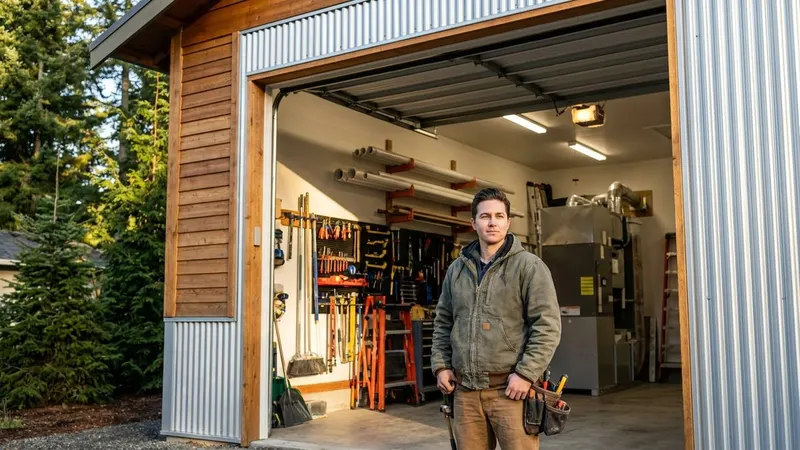
Starting an HVAC service centre requires contractor licensing, EPA certification, and startup capital of $10,000-$100,000. Here’s a practical blueprint. If you need hands-on help, see our furnace repair service page.
Need HVAC help in Bellevue?
Contact HVAC Service Bellevue for practical help with repairs, maintenance, and replacement planning.
Call (425) 598-0416 Request a QuoteUnderstanding the HVAC Industry
Let me tell ya, the HVAC industry is a beast, but it’s one I’ve come to love. It’s all about keeping folks comfortable in their homes and businesses, no matter the weather outside.
The market for HVAC services is growing fast, with projections showing it’ll hit $367.5 billion by 2030. That’s a lot of AC units and furnaces, folks!
I’ve seen the industry change over the years. These days, it’s all about:
- Energy efficiency
- Smart home integration
- Improved air quality
Residential HVAC is the bread and butter for many of us. Homeowners always need their systems fixed or upgraded. But don’t forget about commercial HVAC - that’s where the big bucks are.
Speaking of commercial work, I’ve crawled through more ductwork in office buildings than I care to remember. It’s tough work, but somebody’s gotta do it.
One trend I’m excited about is the focus on indoor air quality. With people spending more time at home, they want air that’s clean and fresh. It’s not just about temperature anymore.
My advice? Keep learning. This industry moves fast, and you’ve gotta keep up. Whether it’s new refrigerants or the latest smart thermostats, there’s always something new to master.
Developing a Robust Business Plan
Here’s the practical answer: It’s like building a house - you need a strong blueprint before you start hammering away. Let’s break down the key elements you’ll need to get your HVAC business off the ground.
Defining Business Goals
First things first, I need to set clear goals for my HVAC service center. What do I want to achieve in the first year? How about in five years? I’ll aim to be specific:
- Reach $500,000 in revenue by end of year one
- Hire and train 5 certified technicians within 18 months
- Achieve a 95% customer satisfaction rating
I’ll also define my mission statement. Maybe something like: “To provide top-notch HVAC services with honesty, reliability, and expertise.”
Market Analysis
Now, I’ve got to know my playing field. Who are my potential customers? What’s the competition like? Here’s what I’ll research:
- Local residential and commercial property statistics
- Competing HVAC companies in my area
- Typical rates for HVAC services in my region
I’ll use this info to find my niche. Maybe I’ll focus on eco-friendly HVAC solutions or 24/7 emergency services.
Financial Projections
Time to crunch some numbers. I need to figure out my startup costs and project my income. Here’s a basic breakdown:
| Expense | Estimated Cost |
|---|---|
| Tools and Equipment | $20,000 |
| Vehicle | $30,000 |
| Insurance | $5,000/year |
| Marketing | $10,000/year |
I’ll also project my revenue for the first three years, factoring in seasonal fluctuations.
Service List
Finally, I’ll outline the services I’ll offer. This helps me plan my inventory and training needs. My HVAC services might include:
- HVAC installation and replacement
- Routine maintenance and tune-ups
- Emergency repairs
- Duct cleaning and sealing
- Smart thermostat installation
I’ll price these competitively, but remember - quality work ain’t cheap, and cheap work ain’t quality!
Legal Aspects of Starting a HVAC Business
Starting an HVAC business involves several important legal steps. I’ll walk you through the key areas you need to focus on to make sure your new venture is on solid legal ground.
Business Registration
First things first, you’ve got to make your business official. I always tell folks to start by choosing a business structure that fits their needs. Whether it’s a sole proprietorship, LLC, or corporation, each has its pros and cons.
Next, you’ll need to register your business name with your state’s Secretary of State office. It’s a straightforward process, but don’t skip it! You’ll also need to get an Employer Identification Number (EIN) from the IRS. Trust me, this little number is crucial for hiring employees and opening business bank accounts.
Lastly, check with your local government about any additional registrations they might require. Some cities and counties have their own rules, so it’s best to cover all your bases.
Licensing and Certifications
Now, this is where things get serious in the HVAC world. You can’t just pick up a wrench and start working on people’s systems without the proper credentials.
Most states require an HVAC contractor license to operate legally. The requirements can vary, but typically you’ll need:
- A certain number of years of experience
- Passing a licensing exam
- Proof of insurance
- Bonding (in some cases)
Don’t forget about EPA certification. If you’re handling refrigerants, you absolutely need this. It’s not just about following the rules - it’s about protecting the environment and doing your job right.
Some states might also require additional certifications for specific types of HVAC work. Always check your local regulations to make sure you’re fully covered.
Insurance and Liability
Let me tell you, in this business, insurance isn’t just a good idea - it’s essential. You’re working with complex systems in people’s homes and businesses. Things can go wrong, and you need to be protected.
At a minimum, you should have:
- General liability insurance
- Workers’ compensation (if you have employees)
- Commercial auto insurance (for your work vehicles)
Consider professional liability insurance too. It can protect you if a client claims your work caused them financial harm.
Remember, having the right insurance isn’t just about legal compliance. It gives your clients peace of mind and shows them you’re a professional who takes your work seriously.
Fundamentals of HVAC Operations
Here’s the practical answer: There’s a whole world of knowledge and skills you need to master. Let’s break it down for you.
Equipment and Tools
First things first, you gotta have the right gear. I’m talking about multimeters, vacuum pumps, and refrigerant gauges. These are your bread and butter. Don’t skimp on quality here, folks.
A good set of hand tools is crucial too. Wrenches, screwdrivers, and pliers - you name it, you’ll need it. And let’s not forget about those specialty tools like fin combs and swaging tools.
For diagnostics, thermal imaging cameras are a game-changer. They’ll help you spot issues faster than you can say “faulty compressor”. Trust me, your customers will appreciate the quick turnaround.
Hiring Qualified Technicians
Now, onto the people who’ll be using all that fancy equipment. Hiring skilled HVAC technicians is key to your success. Look for folks with proper certifications and hands-on experience.
I always say, attitude is just as important as aptitude. You want team players who can think on their feet and aren’t afraid to get their hands dirty.
Training is ongoing in this field. Technology changes faster than you can blink, so make sure your techs are always learning. Send them to workshops, bring in experts - whatever it takes to keep them sharp.
Safety and Regulations Compliance
Listen up, because this part’s crucial. Safety isn’t just about following rules - it’s about going home to your family every night. Always use proper protective gear and follow lockout/tagout procedures.
Stay up to date with local and national regulations. They change, and you need to change with them. This includes licensing requirements and environmental standards.
Proper handling of refrigerants is a big deal. One mistake can cost you big time, both in fines and reputation. Train your team thoroughly and regularly on this.
Remember, a safe workplace is a productive workplace. It’s not just about avoiding accidents - it’s about building trust with your team and your customers.
Financial Management and Cost Control
Money matters when you run an HVAC business. I’ve seen too many businesses crash and burn because they couldn’t keep their finances in check. Let’s break down how to handle your cash flow and keep your service center thriving.
Managing Start-Up Costs
Getting started ain’t cheap, I’ll tell you that. You’re looking at startup costs between $3,000 to $12,000 for a basic setup. Here’s what you need to budget for:
- Tools and equipment
- Vehicle(s)
- Licenses and permits
- Insurance
- Initial marketing
My advice? Start small and scale up. Don’t blow your budget on fancy gear right off the bat. Buy quality tools, but only what you need to get jobs done. As you grow, you can invest in more specialized equipment.
Operating Budgets and Expenses
Once you’re up and running, you’ve got to keep a tight grip on those ongoing costs. Here’s what to watch:
- Labor costs (including your own salary)
- Vehicle maintenance and fuel
- Office expenses
- Marketing and advertising
- Training and certifications
Track every penny. Use software to manage your books - it’s worth every cent. I recommend setting aside a chunk of change for unexpected expenses. Trust me, they’ll pop up when you least expect it.
Pricing Strategies
Pricing can make or break your business. You need to cover costs and turn a profit, but you can’t price yourself out of the market. I’ve found a mix of strategies works best:
- Flat-rate pricing for common jobs
- Hourly rates for complex or time-consuming work
- Seasonal promotions to attract customers during slow periods
Don’t be afraid to charge what you’re worth. Quality work deserves fair pay. But remember, customers appreciate transparency. Break down your costs for them - it builds trust and shows the value you’re providing.
Energy audits can be a great add-on service. They help customers save money and boost your bottom line. It’s a win-win that sets you apart from the competition.