
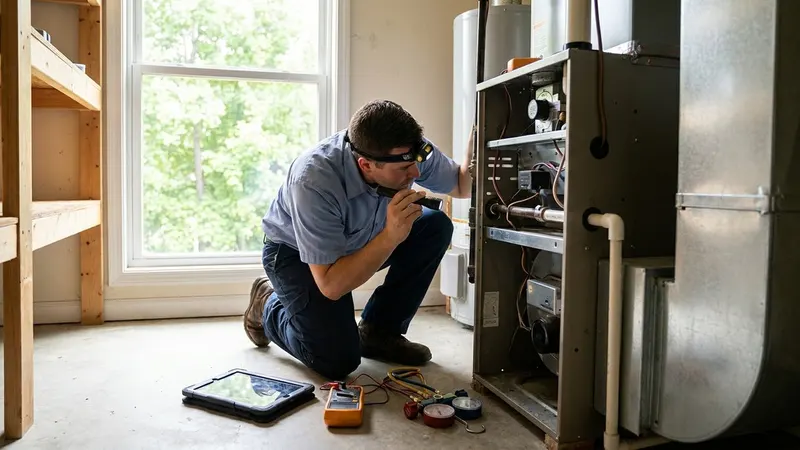
Ever had your HVAC system conk out on you during a heatwave or cold snap? I’ve been there, and it’s no picnic. But don’t sweat it - fixing your HVAC doesn’t always mean calling in the pros. With a little know-how, you can tackle some common issues yourself and save a bundle. Regular maintenance and quick fixes can keep your HVAC running smoothly, improve air quality, and even boost energy efficiency.
I’ve seen my fair share of HVAC mishaps over the years, and I’m here to tell you that a lot of problems have simple solutions. From changing filters to cleaning coils, there’s plenty you can do to keep your system in tip-top shape. And when things get a bit more complicated, I’ll walk you through when it’s time to roll up your sleeves and when it’s best to call in the cavalry.
Ready to dive in and learn how to repair your HVAC system? I’ll guide you through the basics, share some troubleshooting tips, and help you understand when it’s time to bring in a pro. By the end of this, you’ll be well-equipped to handle many common HVAC hiccups. Let’s get started!
Key Takeaways
- Regular maintenance improves HVAC performance and longevity
- Many common HVAC issues can be fixed with simple DIY solutions
- Knowing when to call a professional can save time and money
Understanding Your HVAC System
I’ve seen a lot of HVAC systems in my day, and let me tell you, they’re not as complicated as they might seem. Knowing the basics can save you a heap of trouble down the road. Let’s break it down into the key parts you need to know.
Components and Functions
Your HVAC system is like the heart and lungs of your home. The main parts are:
- Furnace: This big guy heats air and sends it through your ducts.
- Air conditioner: It cools and dehumidifies the air.
- Heat pump: This nifty device can both heat and cool your home.
- Thermostat: The brain of the operation, telling everything when to turn on and off.
- Ductwork: The veins of your system, carrying air to every room.
Each part plays a crucial role. The furnace burns fuel to create heat, while the air conditioner uses refrigerant to cool things down. A heat pump can do both jobs, moving heat in or out depending on the season.
Common HVAC Problems
In my years of experience, I’ve seen it all. Here are the most common issues I run into:
- Dirty filters: These can make your system work harder than it needs to.
- Weird noises: Banging, whistling, or rattling often means loose parts or debris.
- Poor airflow: This could be from blocked vents or duct issues.
- Thermostat troubles: Sometimes it’s as simple as dead batteries.
Refrigerant leaks can be a real pain, causing your AC to blow warm air. And don’t get me started on frozen coils - they can shut down your whole system.
When to Repair vs. Replace
This is a tough call, but I’ll give you my honest take. If your system is less than 10 years old, repairs usually make sense. But here’s when I’d consider replacing:
- Your energy bills are through the roof
- Repairs are becoming more frequent and expensive
- Your home isn’t comfortable no matter what you do
A new HVAC system can be a big investment, but it can also save you money in the long run. Modern systems are much more efficient. Plus, you can’t put a price on comfort.
Remember, regular maintenance is key. It’s like changing the oil in your car - it keeps everything running smoothly and can prevent big problems down the line.
Basic HVAC Maintenance Tips
I’ve seen plenty of HVAC systems in my day, and I can tell you that a little TLC goes a long way. Let’s roll up our sleeves and get into some simple maintenance that’ll keep your system humming.
Regular Inspection Schedules
I always say, catch problems early and save yourself a heap of trouble. Set up a routine to check your HVAC system every few months. Look for weird noises, funky smells, or weak airflow. These are red flags, folks.
I like to mark my calendar for spring and fall inspections. That way, I’m ready for the heat and cold before they hit. Don’t forget to peek at your outdoor unit too. Clear away any debris or vegetation that’s creeping in.
If you’re not comfortable doing this yourself, call in a pro. It’s worth the peace of mind.
Replacing the Air Filter
Here’s a biggie that a lot of folks overlook. Your air filter is the lungs of your system. A clogged filter makes your HVAC work harder than a dog in a sled race.
I recommend checking your filter monthly and replacing it every 1-3 months. If you’ve got pets or allergies, you might need to swap it out more often.
Here’s a quick how-to:
- Turn off your system
- Locate the filter (usually in the return air duct or blower compartment)
- Remove the old filter
- Note the airflow direction on the new filter
- Slide in the new filter
- Turn your system back on
Trust me, your system will thank you with better efficiency and cleaner air.
Cleaning Coils and Fans
Now, let’s talk about keeping your coils and fans spick and span. These parts are like the heart of your system, pumping cool air through your home.
For your outdoor unit, I like to use a garden hose to gently wash off the condenser coils. Be careful not to bend the fins. If they’re really grimy, you might need a special coil cleaner.
Inside, your evaporator coils need love too. A soft brush and some no-rinse coil cleaner will do the trick. Just be gentle - these parts are delicate.
Don’t forget about your blower fan. A quick vacuum and wipe-down will keep it spinning smoothly. Remember, a clean system is an efficient system. Your wallet will thank you come bill time.
Troubleshooting Common HVAC Issues
I’ve seen it all when it comes to HVAC problems. From strange noises to frequent breakdowns, these issues can drive any homeowner crazy. Let’s roll up our sleeves and tackle some of the most common headaches you might face.
Dealing with Strange Noises
When your HVAC starts making weird sounds, it’s trying to tell you something. I’ve heard everything from bangs to whistles.
Rattling noises often mean loose parts. I’ll tighten any screws or bolts I find.
Squealing could be a belt problem. I’ll check for wear and tear, and replace if needed.
Clicking sounds when the system turns on or off? That might be a relay issue. I’ll take a look at the electrical components.
Hissing noises worry me - they could mean a refrigerant leak. That’s not a DIY fix, folks. You’ll need a pro for that one.
Addressing Frequent Repairs
If you’re calling for repairs more often than you call your mother, we’ve got a problem.
First, I always check the air filter. A dirty filter makes your system work overtime. I change mine every 1-3 months.
Next, I look at the thermostat settings. Sometimes it’s as simple as adjusting the temperature or switching from “cool” to “heat”.
Short cycling - when your system turns on and off too quickly - can wear out parts fast. I’ll check for blocked vents or a wrongly sized unit.
If these quick fixes don’t work, it might be time to consider a new system. An old, inefficient unit will keep burning a hole in your wallet.
Solving Electrical Issues
Electrical problems can be tricky and dangerous. Always turn off power to the unit before investigating.
I start by checking the circuit breaker. If it’s tripped, I’ll reset it. But if it keeps tripping, that’s a red flag.
Burnt or scorched wiring near the unit is bad news. I don’t mess around with that - it’s time to call in an electrician.
A faulty capacitor can cause the system to struggle or not start at all. I’ll test it with a multimeter.
Remember, if you’re not comfortable working with electricity, don’t risk it. There’s no shame in calling a pro to keep yourself safe.
Professional HVAC Repairs
I’ve seen my fair share of HVAC issues, and sometimes calling in the pros is the smartest move. Let’s dive into when you need an expert, what to expect during a repair visit, and how to make sense of those repair estimates.
Identifying When Experts Are Needed
When your HVAC system is on the fritz, it’s tempting to break out the toolbox. But hold on there, partner. Some jobs are best left to the pros. If you’re dealing with electrical problems, refrigerant issues, or strange noises coming from your unit, it’s time to call in reinforcements.
I’ve learned the hard way that DIY repairs can lead to bigger problems down the line. Trust me, you don’t want to void your warranty or risk your safety. If your system isn’t cooling or heating properly, or if you notice a spike in your energy bills, those are red flags.
Remember, HVAC systems are complex beasts. When in doubt, it’s better to be safe than sorry.
What to Expect During a Repair Visit
When the pros arrive, I always say it’s showtime. A good technician will start by asking about the problems you’ve noticed. They’ll then inspect your system from top to bottom.
During the visit, they might:
- Check refrigerant levels
- Test electrical components
- Clean or replace filters
- Inspect ductwork for leaks
Don’t be shy about asking questions. A reputable technician will explain what they’re doing and why. They should also give you tips on maintaining your system to prevent future issues.
HVAC repair visits usually take 1-2 hours, but complex problems might need more time. Be prepared for some noise and a bit of disruption, but a good tech will clean up after themselves.
Understanding Repair Estimates
Alright, let’s talk money. HVAC repair estimates can be confusing, but I’m here to help you make sense of them. A good estimate should break down costs for parts and labor.
Here’s what to look for:
- Detailed description of the problem
- List of parts needed
- Labor costs
- Warranty information
Don’t be afraid to ask for explanations if something’s not clear. Repair costs can vary widely, from a simple $100 fix to over $3,000 for major repairs.
If the estimate seems high, get a second opinion. But remember, the cheapest option isn’t always the best. Quality work and parts can save you money in the long run. Always check that the company is licensed and insured before giving the green light.
Improving Energy Efficiency
I’ve got some great tips to help you save money and keep your HVAC system running smoothly. These tricks will boost your system’s performance and cut down on those pesky energy bills. Trust me, I’ve seen it all, and these methods really work.
Upgrading to a Smart Thermostat
Let me tell you, smart thermostats are a game-changer. I’ve installed countless of these beauties, and they’re worth every penny. They learn your schedule and adjust the temperature automatically. You can control them from your phone, even when you’re not home.
Here’s what I love about smart thermostats:
- They save up to 15% on cooling costs
- Some models give you energy usage reports
- They remind you when it’s time for maintenance
I’ve seen folks cut their energy bills by $100 or more per year just by making this simple switch. It’s a no-brainer if you ask me.
Enhancing System Performance
Now, let’s talk about getting the most out of your HVAC system. First things first, change your air filter regularly. A dirty filter makes your system work harder than it needs to. I recommend checking it monthly and changing it at least every 3 months.
Another tip: seal those ducts! Leaky ducts can waste up to 30% of your conditioned air. That’s like throwing money out the window. Use mastic sealant or metal tape to seal the seams and connections.
Don’t forget about insulation. Proper insulation in your attic and walls can make a huge difference in your home’s energy efficiency. It’s like giving your house a cozy sweater.
Benefits of Regular Maintenance
I can’t stress this enough: regular maintenance is key. I’ve seen too many systems fail because folks neglected them. A yearly tune-up can improve efficiency and comfort, just like a tune-up for your car improves gas mileage.
Here’s what I do during a maintenance check:
- Clean or replace filters
- Check refrigerant levels
- Lubricate moving parts
- Inspect electrical connections
Regular maintenance can lower your energy costs and extend the life of your system. It’s a small investment that pays off big time. Plus, it helps catch small problems before they turn into expensive repairs.