
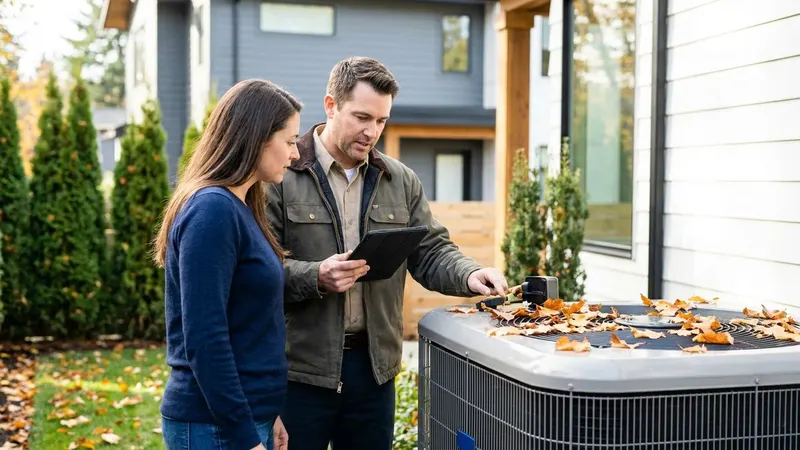
Winter’s coming, and your HVAC system needs to be ready. I’ve seen too many folks caught off guard when the cold hits, left shivering in their homes or facing costly repairs. Let’s avoid that, shall we? A well-maintained HVAC system can save you up to 30% on your energy bill and prevent breakdowns when you need heat the most.
Getting your HVAC winter-ready isn’t rocket science, but it does take some elbow grease and know-how. I’ll walk you through the basics, from cleaning your outdoor unit to checking your thermostat. These simple steps can make a big difference in keeping your home cozy and your wallet happy.
Remember, a little prevention goes a long way. Just like you wouldn’t start a cross-country road trip without a tune-up, don’t let Old Man Winter catch your HVAC system unprepared. Let’s roll up our sleeves and get that system in tip-top shape!
Key Takeaways
- Regular HVAC maintenance can slash energy bills and prevent costly breakdowns
- Clean outdoor units and check thermostats for optimal winter performance
- Consider professional inspections to ensure your system is winter-ready
Understanding Your HVAC System
Your HVAC system is the heart of your home’s comfort. It’s a complex beast, but don’t worry - I’ve got your back. Let’s break it down into bite-sized pieces so you can get a handle on what’s keeping you cozy.
Components of HVAC
The main parts of your HVAC system are like a well-oiled machine. You’ve got your furnace, which is the powerhouse for heating. It’s usually tucked away in a basement or utility closet.
Next up is the air conditioner. This bad boy sits outside and keeps things cool when the mercury rises.
Don’t forget about the ductwork. These are the highways that carry warm or cool air throughout your home.
The thermostat is your control center. It’s where you tell your system what to do and when to do it.
Lastly, there’s the air filter. This unsung hero traps dust and gunk, keeping your air clean and your system running smooth.
Types of Heating Systems
When it comes to heating, you’ve got options. The most common is the forced-air system. It uses a furnace to heat air and blow it through ducts.
Boilers are another choice. They heat water and send it through pipes to radiators or baseboard heaters. Cozy and efficient.
Heat pumps are the Swiss Army knife of HVAC. They can both heat and cool your home by moving heat around. Pretty nifty, right?
Radiant heating systems warm up your floors or walls directly. It’s like walking on sunshine, even in the dead of winter.
How HVAC Systems Function in Winter
When the cold hits, your HVAC system kicks into high gear. The thermostat senses the chill and signals the furnace to fire up.
For forced-air systems, the furnace heats air and sends it through your ducts. Vents in each room release this warm air, creating a toasty environment.
If you’ve got a heat pump, it reverses its summer operation. Instead of pushing heat out, it brings heat in from the outside air. Even in cold weather, there’s some heat to be found.
Boiler systems heat water and circulate it through pipes. This warms up radiators or baseboards in your rooms.
Remember, your HVAC works harder in winter. That’s why regular maintenance is key to keeping it running smoothly all season long.
Preparing for Winter: Steps and Checklists
Getting your HVAC ready for winter is all about being proactive. I’ve seen too many homeowners caught off guard by the cold, so let’s make sure you’re not one of them. Here’s what you need to do to keep your system running smoothly and your home cozy.
Insulation and Sealing
First things first, let’s talk insulation. I can’t stress enough how important this is. A well-insulated home keeps the warm air in and the cold air out.
Start by checking your attic insulation. Is it up to snuff? If not, add more. Trust me, it’ll pay off in lower heating bills.
Next, let’s seal those pesky air leaks. I’ve seen homes lose a ton of heat through tiny cracks. Check around windows, doors, and anywhere pipes or wires enter your home. Use caulk or weatherstripping to seal these gaps.
Don’t forget about your ductwork. Leaky ducts can waste up to 30% of your heated air. That’s money flying out of your wallet! Seal them up with mastic sealant or metal-backed tape.
Inspecting and Replacing Filters
Now, let’s talk filters. A dirty filter is like trying to breathe through a straw - it’s not good for you or your HVAC system.
Check your filters monthly during winter. If they’re dirty, replace them. It’s an easy job that’ll keep your system running efficiently and improve your home comfort.
Here’s a quick guide on filter types:
| Filter Type | Lifespan | Best For |
|---|---|---|
| Fiberglass | 30 days | Basic filtration |
| Pleated | 90 days | Better air quality |
| HEPA | 6-12 months | Allergies/asthma |
Remember, a clean filter means better airflow and a happier HVAC system.
Testing Thermostat and Control Systems
Your thermostat is the brains of your HVAC operation. It’s time to make sure it’s working right.
First, check if it’s reading the correct temperature. Place a thermometer near it and compare readings. If they’re off, you might need to recalibrate or replace your thermostat.
I’m a big fan of programmable thermostats. They can save you up to 10% on your heating bills. If you don’t have one, consider upgrading.
For those of you with smart thermostats, make sure it’s connected to your Wi-Fi. Check that all your schedules are set correctly for winter. Remember, you can save energy by lowering the temperature when you’re asleep or away.
Test your system by running it through all its modes. Make sure it’s responding correctly to your thermostat commands. If anything seems off, it’s time to call in a pro.
Professional Maintenance and Tune-Ups
Getting your HVAC system ready for winter isn’t just about DIY tasks. Professional help is key to keeping your home warm and cozy when the cold hits. Here’s what you need to know about expert HVAC care.
Hiring a Qualified HVAC Technician
I’ve seen my fair share of HVAC disasters, and trust me, you want a pro handling this stuff. Look for techs with proper certifications and solid experience. Ask friends for referrals or check online reviews. A good tech will be licensed, insured, and have a track record of happy customers.
When you call, ask about their winter prep services. The right pro will explain what they’ll do and why it matters. Don’t be shy about asking questions - a true expert will be happy to share their knowledge.
Remember, cheap isn’t always best. You want someone who’ll do the job right, not just fast.
Comprehensive HVAC Maintenance
A thorough HVAC maintenance check is like a physical for your heating system. Here’s what I’d look for:
- Clean or replace air filters
- Check and clean blower components
- Inspect electrical connections
- Lubricate moving parts
- Test safety controls
I’d also make sure your thermostat is calibrated correctly. A pro might suggest upgrades like a programmable model to save you money.
Don’t forget about your ducts! Leaky ducts can waste up to 30% of your heated air. A good tech will check for leaks and seal them up tight.
Furnace and Heat Pump Servicing
Your furnace is the heart of your winter comfort. I always recommend a professional tune-up before the cold sets in. Here’s what that should include:
- Inspect the heat exchanger for cracks
- Clean the burners
- Check the flame sensor
- Test the ignition system
- Verify proper gas pressure
For heat pumps, we’ll check the refrigerant levels and make sure the defrost cycle is working right. I’ve seen too many heat pumps struggle in winter because of neglect.
Don’t forget about your outdoor unit. We’ll clear debris and make sure it’s level. A tilted unit can cause compressor problems down the line.
With proper care, your HVAC system will keep you toasty all winter long. It’s not just about comfort - it’s about safety and efficiency too.
Weather-Proofing and Protecting Outdoor Units
I’ve seen my fair share of HVAC units damaged by winter weather. Trust me, a little prep work now can save you big headaches later. Let’s dive into how to shield your outdoor equipment from Old Man Winter’s worst.
Covering and Insulating Outdoor Equipment
First things first, let’s talk covers. I always recommend using a weatherproof cover for your outdoor AC unit. It’s like giving your unit a cozy winter jacket. But don’t just toss any old tarp over it - get a cover that fits snug and allows air to circulate.
For heat pumps, I’ve found that insulation is key. Wrap exposed pipes with foam pipe insulation. It’s cheap and easy to install. Just make sure you don’t block any vents or moving parts.
Remember, if you’re using a heat pump for winter heating, don’t cover the whole unit. It needs to breathe!
Ensuring Proper Drainage
Now, let’s talk about keeping things dry. Water is your HVAC’s worst enemy in winter. I always check the area around the unit for proper drainage. You don’t want water pooling and freezing near your equipment.
Clear out any debris from around the base. Leaves, twigs, even that pile of snow - they all need to go. I like to create a slight slope away from the unit to help water drain off.
For units on flat roofs, make sure the drain pans are clear. A clogged drain can lead to ice buildup and damage. I’ve seen units topple over from the weight of ice - not a pretty sight!
Anchoring your outdoor unit is another smart move. It’ll keep it steady during those nasty winter storms. A few well-placed bolts can make all the difference.