
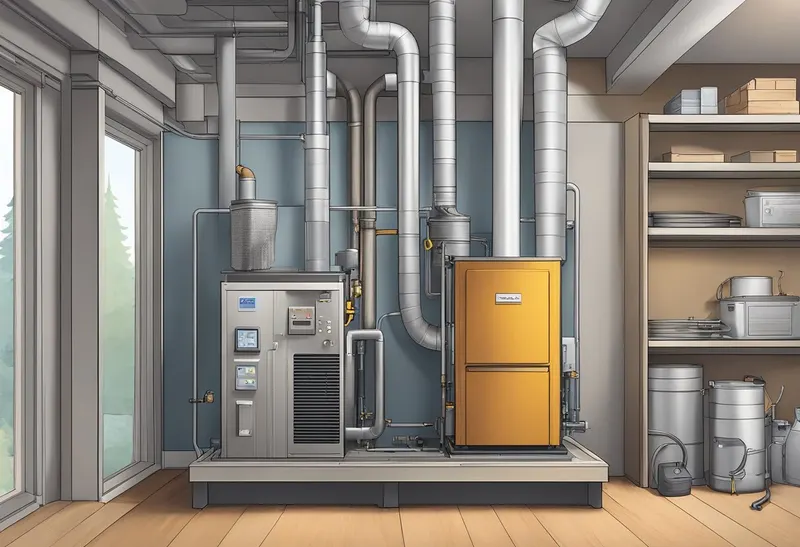
Furnace cost in Alberta ranges from $5,500 to $10,000+ installed. Home size, efficiency rating, and furnace type all affect the final price you’ll pay. If you need hands-on help, see our furnace repair service page.
Need HVAC help in Bellevue?
Contact HVAC Service Bellevue for practical help with repairs, maintenance, and replacement planning.
Call (425) 598-0416 Request a QuoteUnderstanding Your Heating Needs in Alberta
Let me tell you, heating your home in Alberta is no joke. I’ve seen my fair share of frigid winters here, and picking the right furnace is crucial.
First things first, we need to talk about BTUs. That’s British Thermal Units for you folks at home. It’s how we measure heating capacity. Most Alberta homes need between 45 and 60 BTUs per square foot to stay cozy.
Now, let’s break down your options:
- Natural gas furnaces: Popular and efficient
- Propane furnaces: Great for rural areas
- Electric furnaces: Pricier to run, but low upfront cost
- Oil furnaces: Less common, but still kicking in some older homes
- Heat pumps: Dual-purpose for heating and cooling
I always recommend high-efficiency furnaces for Alberta homeowners. They might cost more upfront, but trust me, they’ll save you a bundle on energy bills in the long run.
When sizing your furnace, don’t just think about square footage. I consider factors like:
- Insulation quality
- Number of windows
- Ceiling height
- Home layout
Remember, a properly sized furnace is key. Too small, and you’ll be shivering. Too big, and you’re wasting money.
I’ve seen forced-air furnaces in most Alberta homes. They’re reliable workhorses that get the job done. But don’t rule out other options if they fit your needs better.
Types of Furnaces Available
Let me break down the different furnace options you’ll find in Alberta. Each type has its own pros and cons, and I’ve seen them all in action. Your choice will depend on factors like fuel availability, efficiency needs, and budget.
Natural Gas Furnaces
Natural gas furnaces are the most common type I see in Alberta homes. They’re popular for good reason. These furnaces are efficient and have low operating costs. I’ve installed many of these, and homeowners love them.
Natural gas is readily available in most areas. It burns clean and heats homes quickly. Modern gas furnaces can reach up to 98% efficiency. That means almost all the fuel gets turned into heat for your home.
The downside? They need a gas line connection. If you don’t already have one, installation costs can add up. But in the long run, the savings on fuel often make up for it.
Electric Furnaces
Electric furnaces are straightforward and clean. I’ve put these in for folks who don’t have access to natural gas. They’re easy to install and have a lower upfront cost.
These furnaces are 100% efficient. All the electricity gets converted to heat. No energy is lost up a chimney or flue. They’re also very quiet and don’t produce any emissions in your home.
The catch? Electricity rates in Alberta can make them expensive to run. I often recommend these for smaller spaces or as backup heat sources.
Propane Furnaces
Propane furnaces are a great option if you’re off the gas grid. I’ve installed these in rural homes across Alberta. They work similarly to natural gas furnaces but use propane as fuel.
These furnaces can be highly efficient, often reaching 95% AFUE or higher. They produce a lot of heat and warm up homes quickly. Propane is also a clean-burning fuel.
The drawback is fuel cost and storage. You’ll need a propane tank on your property. Propane prices can fluctuate, which affects your heating costs.
Oil Furnaces
Oil furnaces aren’t as common as they used to be, but I still see them in some older Alberta homes. They’re known for producing a lot of heat quickly.
These furnaces can be a good choice in areas where oil is readily available. They’re less efficient than gas or propane, typically around 80-90% AFUE. But they can still keep a home toasty warm.
The downside? They require more maintenance. You’ll need regular oil deliveries and storage space for the fuel tank.
Modulating Furnace
Modulating furnaces are the high-tech option. I love these for their precision. They can adjust their flame and blower speed in tiny increments.
This means they maintain a very steady temperature in your home. No more hot and cold spots. They’re also super efficient, often reaching 98% AFUE or higher.
The trade-off is cost. These are the most expensive furnaces to buy and install. But if you want top-notch comfort and efficiency, they’re hard to beat.
Single-Stage and Two-Stage Furnaces
Single-stage furnaces are the basic model. They’re either on at full blast or off. I often recommend these for smaller homes or milder climates.
Two-stage furnaces have a high and low setting. They can run on the lower setting most of the time, which saves energy. They kick into high gear only when needed.
Single-stage furnaces are cheaper upfront. Two-stage models cost more but offer better comfort and efficiency. In Alberta’s cold winters, I usually lean towards two-stage models for better performance.
Calculating the Costs of a New Furnace
Figuring out the price of a new furnace isn’t as simple as looking at a price tag. I’ve seen plenty of homeowners get caught off guard by hidden costs. Let’s break down what you need to consider to get an accurate picture of what you’ll be spending.
Furnace Pricing
When it comes to the furnace itself, prices can vary wildly. I’ve seen basic models go for as little as $2,000, while top-of-the-line units can hit $7,500 or more. The size of your home plays a big role here - a larger space needs a more powerful furnace.
Efficiency is another key factor. High-efficiency furnaces cost more upfront but can save you money in the long run. AFUE ratings (Annual Fuel Utilization Efficiency) are important to look at. A 95% AFUE furnace will cost more than an 80% one, but it’ll use less fuel to heat your home.
Brand matters too. Some of the pricier brands I trust include Lennox, Carrier, and Trane. They often come with better warranties and reliability.
Installation Expenses
Now, don’t forget about installation costs. This isn’t a DIY job - you need a pro to do it right. Labor costs can range from $1,000 to $3,000, depending on the complexity of the job.
If you’re replacing an old furnace, sometimes the existing ductwork needs updating. That can add another $1,000 to $3,000 to your bill. The average total cost for furnace replacement, including installation, is about $4,700.
Other potential expenses include:
- Removing the old furnace
- Upgrading electrical systems
- Adding a new thermostat
It’s always smart to get multiple quotes from licensed HVAC contractors. They can give you a more accurate estimate based on your specific situation.
Operational Costs
The costs don’t stop after installation. Your new furnace will impact your utility bills for years to come. That’s why efficiency is so important.
A high-efficiency furnace might cost more upfront, but it could save you hundreds of dollars each year on heating bills. In Alberta’s cold climate, those savings can add up fast.
To get a rough idea of potential savings, look for online calculators that factor in your local energy prices and climate. Don’t forget about maintenance costs too. Regular tune-ups can keep your furnace running efficiently and prevent costly breakdowns.
Lastly, consider the lifespan of the furnace. A quality furnace can last 20-25 years with proper care. Spreading the cost over that time can make even a pricier model seem more affordable in the long run.
Factors Influencing Furnace Costs
https://www.youtube.com/watch?v=O1dkKgxs0v4
When it comes to furnace costs, there’s more to consider than just the price tag. I’ve seen a lot of factors come into play during my years in the business. Let’s break down the key elements that can make or break your budget.
Size and Capacity
The size of your furnace matters - big time. It’s not just about how much space it takes up in your basement. We’re talking BTUs here, folks. That’s British Thermal Units, the measure of how much heat your furnace can pump out.
A small home might only need 40,000 BTUs, while a larger one could require 120,000 or more. I always tell homeowners to get a professional assessment. Oversizing wastes money, and undersizing leaves you shivering.
Here’s a quick guide:
- Small home (under 1,000 sq ft): 40,000 - 60,000 BTUs
- Medium home (1,000 - 2,000 sq ft): 60,000 - 80,000 BTUs
- Large home (over 2,000 sq ft): 80,000+ BTUs
Remember, these are ballpark figures. Your specific needs might vary based on insulation, climate, and other factors.
Efficiency Ratings
Efficiency is where the rubber meets the road in terms of long-term costs. The AFUE rating is your best friend here. It stands for Annual Fuel Utilization Efficiency.
An 80% AFUE furnace turns 80% of its fuel into heat. The other 20%? Up the chimney it goes. High-efficiency models can reach 98% AFUE. That’s almost all your fuel turning into cozy warmth.
Higher efficiency means a bigger upfront cost, but lower bills down the road. In Alberta’s chilly winters, that efficiency can really pay off. I’ve seen homeowners save hundreds each year with a high-efficiency unit.
Brands and Warranties
Not all furnaces are created equal. Top brands like Carrier, Trane, and Lennox often come with heftier price tags. But they also tend to offer better warranties and reliability.
I always tell folks to look at the warranty. A 10-year parts warranty is pretty standard these days. Some brands even offer lifetime warranties on heat exchangers. That’s the heart of your furnace, and replacing it can cost a pretty penny.
Don’t just go for the cheapest option. I’ve seen too many homeowners regret that decision when their bargain furnace conks out after a few years.
Additional Features
Modern furnaces aren’t just about blowing hot air. They’ve got bells and whistles that can really improve your comfort and efficiency. Here are some features to consider:
- Variable-speed blowers: Adjust airflow for better temperature control
- Programmable thermostats: Set it and forget it, saving energy when you’re away
- Zoned heating: Heat different areas of your home separately
- Air filtration systems: Great for allergy sufferers
These features can add to the initial cost, but they’re worth considering. I’ve installed plenty of basic furnaces, but the ones with these extras often make for happier homeowners in the long run.