
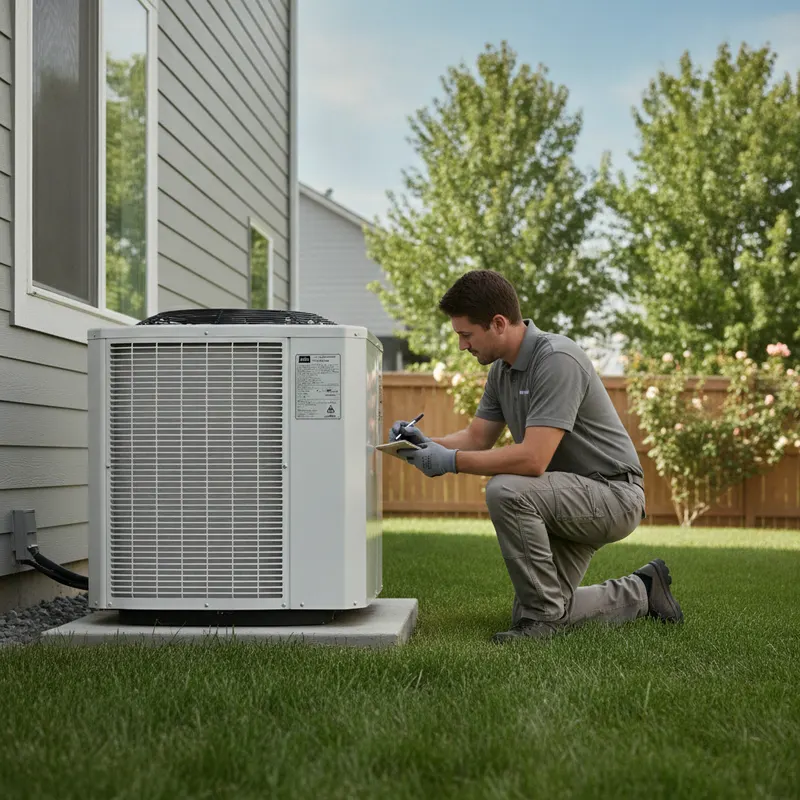
Let’s talk HVAC warranties, folks. I’ve seen my fair share of heating and cooling systems over the years, and I know how important a good warranty can be. Most HVAC warranties last between 5 to 10 years, covering parts and sometimes labor. But don’t just take my word for it – let’s dig into the details.
I’ve found that warranty lengths can vary depending on the part or model. You might see anything from a one-year guarantee to lifetime coverage. It’s like choosing the right tool for the job – you want the warranty that fits your needs best.
Now, I always tell homeowners to read the fine print. Some warranties require you to register your system or have it installed by a licensed pro. It’s like measuring twice and cutting once – a little preparation can save you a lot of headaches down the road.
Understanding HVAC Warranties
HVAC warranties can be tricky, but I’m here to break it down for you. These warranties protect your investment and give you peace of mind. Let’s dive into the types of warranties and what they cover.
Different Types of Warranties
When it comes to HVAC warranties, you’ve got options. The base limited warranty is your standard coverage that comes with the system. It’s like the bare minimum protection for your HVAC.
Next up, we’ve got the registered limited warranty. I always tell homeowners to register their systems. Why? You often get better coverage, sometimes even doubling the warranty period.
Then there are labor warranties. These cover the cost of work done on your system. Some manufacturers offer a short labor warranty, but many contractors provide their own.
Lastly, extended warranties. Think of these as extra insurance for your HVAC. They cost more upfront but can save you big bucks down the road.
Components Covered
Now, let’s talk about what’s actually covered. Parts warranties are the most common. They typically cover things like:
- Compressors
- Heat exchangers
- Coils
- Motors
But here’s the kicker – not all parts are created equal in the eyes of warranties. Some high-value components might have longer coverage periods.
Labor coverage is a different beast. It’s often shorter than parts coverage, if it’s included at all. That’s why I always stress reading the fine print.
Remember, warranty terms can vary widely between manufacturers. It’s crucial to understand what’s covered and for how long. Don’t be afraid to ask questions before you buy.
Registration and Eligibility
Registering your HVAC system and knowing its eligibility details are crucial steps. They can make or break your warranty coverage. Let’s dig into the nitty-gritty of what you need to do.
The Importance of Product Registration
I can’t stress this enough – register your HVAC system right away! Many manufacturers offer extended warranty coverage if you register within a specific timeframe. Usually, you’ve got about 60 days after installation to get this done.
Registering is simple:
- Go to the manufacturer’s website
- Enter your product info
- Provide your contact details
By registering, you’re not just extending your coverage. You’re also making sure the company can reach you if there’s a recall or important update. Trust me, I’ve seen too many folks miss out on critical info because they skipped this step.
Serial Numbers and Documentation
Listen up, folks – your HVAC system’s serial number is like its social security number. You need it for everything warranty-related. Here’s what you should do:
- Find the serial number on your unit
- Write it down in multiple places
- Take a clear photo of it
Keep all your paperwork organized. This includes:
- Purchase receipt
- Installation invoice
- Warranty certificate
I’ve seen homeowners lose out on valid warranty claims because they couldn’t find these documents. Don’t let that be you! A simple folder or digital scan can save you a heap of trouble down the line.
Warranty Length and Terms
I’ve seen a lot of HVAC systems over the years, and let me tell you, warranty coverage can make a big difference. Most manufacturers offer different warranty lengths and terms, so it’s crucial to understand what you’re getting.
Standard and Extended Warranty Periods
Most HVAC companies provide a standard 5-year warranty on parts. But here’s a pro tip: many offer a 10-year warranty if you register your product within 60 days of installation. I always recommend doing this – it’s free and can save you a bundle down the road.
Some brands go even further. I’ve seen lifetime warranties on certain components like compressors or heat exchangers. That’s great peace of mind for homeowners.
Optional extended warranties are another thing to consider. They can add years to your coverage, but they’ll cost you extra. In my experience, they can be worth it for high-end systems or if you plan to stay in your home long-term.
Understanding Warranty Terms and Conditions
Now, let’s get into the nitty-gritty. Warranty terms aren’t always straightforward, but I’ll break it down for you.
Most warranties cover parts that fail due to manufacturer defects. But here’s the kicker – they often don’t cover labor costs. That can add up fast, so keep that in mind.
Some key points to look for in your warranty:
- What parts are covered
- Labor costs (if any)
- Who can perform repairs
- Maintenance requirements
I’ve seen too many folks lose their warranty coverage because they didn’t follow the maintenance schedule or used an unlicensed technician. Don’t make that mistake!
Remember, warranties are there to protect you. Take the time to read and understand them. It might not be the most exciting read, but trust me, it’s worth it.
Maintenance and Claims
I’ve seen a lot of HVAC systems in my day, and I can tell you that proper maintenance and knowing how to file a claim are crucial. Let’s roll up our sleeves and get into the nitty-gritty of keeping your system running smoothly and what to do when things go south.
Routine Maintenance Requirements
First things first, you’ve got to keep that HVAC system clean and tuned up. Most warranties require regular maintenance to stay valid.
I’m talking about changing filters every 1-3 months, depending on use. Don’t skimp on this!
You’ll need to get a pro in for annual check-ups too. They’ll clean coils, check refrigerant levels, and make sure everything’s running tip-top. Keep those receipts – you might need ’em for warranty claims.
Remember, normal wear and tear isn’t covered by most warranties. That’s why it’s on you to keep things in good shape. Trust me, a little elbow grease now saves a lot of headaches later.
The Claims Process Explained
When something goes wrong, don’t panic. I’ve been there, and I know it can be frustrating. First, dig out that warranty paperwork. You’ll need to know what’s covered and for how long.
Next, call up the manufacturer or your installer. They’ll walk you through the HVAC warranty claim process.
Be ready to provide:
- Your unit’s model and serial number
- Proof of purchase
- Maintenance records
Most companies require certified technicians to do the repairs. Don’t try to fix it yourself – you could void the warranty. They’ll send someone out to diagnose the problem and get you back up and running.
Remember, patience is key. Claims can take time, but stay on top of it. Keep notes of all your conversations and follow up if you don’t hear back. You’ve got this!
Installation and Warranty Implications
I’ve seen it time and time again – the quality of your HVAC installation can make or break your warranty coverage. Let’s dive into why that initial setup is so crucial and what you need to know about the folks doing the work.
Proper Installation and its Impact on Warranties
Folks, I can’t stress this enough – a shoddy install job can void your warranty faster than you can say “thermostat.” I’ve been in homes where the HVAC installation was so off, it made me want to cry.
Improper sizing, bad ductwork, or incorrect refrigerant charge – these aren’t just performance issues, they’re warranty killers.
Most manufacturers won’t cover damage from improper installation. That’s why I always tell homeowners to keep their installation records. If you ever need to make a claim, you’ll want proof that a pro did the job right.
Certification and Installer Credentials
Now, let’s talk about who’s putting in your system. I’ve met my fair share of HVAC techs, and let me tell you, not all are created equal.
You want certified technicians who know their stuff inside and out.
Look for NATE certification – that’s the gold standard in our industry. These pros understand the ins and outs of warranty requirements. They’ll make sure your system is installed to manufacturer specs, which is key for warranty coverage.
Some brands even offer extended warranties if a certified pro does the install. It’s like they’re putting their money where their mouth is, backing both their product and the installer’s skills.