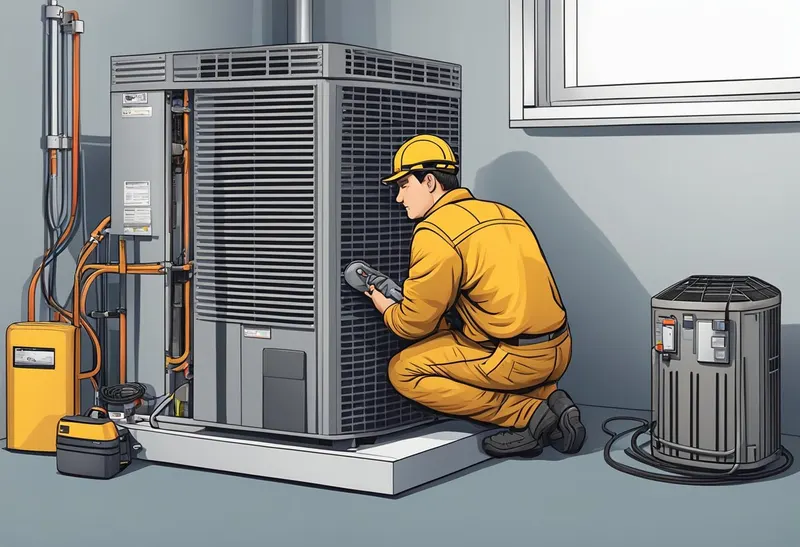
Your HVAC system likely needs repair or replacement if you’re seeing frequent breakdowns, rising energy bills, uneven heating or cooling, strange noises, or a system that’s more than 10–15 years old — these are the clearest signals it’s time to act.
If the system is still fairly young, a targeted AC repair service may solve the problem, but repeated failures on an aging unit often make replacement the better long-term call.
Key Takeaways
- Regular maintenance can extend your HVAC system’s lifespan and improve efficiency
- Age, frequent repairs, and high energy bills are key indicators for replacement
- Professional assessment is crucial for making informed repair or replace decisions
Recognizing the Signs of HVAC Trouble
Catching these problems early can save you a big headache down the road. Here are the key signs that your system might be crying out for help.
Insufficient Airflow and Warm Air Problems
When your HVAC system isn’t pushing out enough air, or it’s blowing warm when it should be cool, that’s a red flag. This often happens due to clogged filters, leaky ducts, or failing motors.
Check your vents. If some rooms feel like a sauna while others are chilly, you’ve got airflow issues. This could mean your ducts need cleaning or sealing.
Warm air coming from your AC is another common problem. It might be low refrigerant or a compressor issue. Either way, it’s time to call in a pro.
Strange Noises and Odd Smells
Your nose and ears can be your best tools for spotting HVAC trouble, so it pays to trust your senses.
Banging, squealing, or grinding noises are bad news. They could mean loose parts, belt issues, or motor problems. Don’t ignore these sounds — they won’t fix themselves.
Smells are another giveaway. A musty odor might mean mold in your system. If you smell something burning, shut it down and call for help right away.
Frequent Cycles and Sudden Breakdowns
Is your system turning on and off more than a light switch at a disco? That’s short cycling, and it’s not good. It wears out your system faster and drives up your energy bills.
This can happen due to thermostat issues, overheating, or an oversized system. Whatever the cause, it needs fixing promptly.
Sudden breakdowns are a clear sign your HVAC is struggling. If you’re calling for repairs more often than you order pizza, it might be time to consider a replacement.
Systems over 10-15 years old often start showing these signs. Keep an eye out, and don’t hesitate to get a professional opinion if you’re unsure.
Assessing HVAC System Components
When it comes to your HVAC system, knowing what to look for can save you time and money. Here are some practical tips for checking the key components.
Air Filters and Ductwork
First, let’s talk about air filters. These little parts are the unsung heroes of your HVAC system. It’s smart to check your filters monthly. If they’re clogged, your system works overtime for no good reason.
Clogged air filters can cause all sorts of trouble. They make your system work harder, which means higher energy bills. Plus, they can lead to poor air quality in your home.
Now, onto ductwork. Ducts can hide some nasty surprises. Leaks, gaps, or poor insulation in your ducts can make your system about as efficient as a screen door on a submarine.
Refrigerant Leaks and Thermostat Issues
Refrigerant leaks are sneaky. If your system’s not cooling like it used to, this could be why. You might notice ice forming on the evaporator coils or hear a hissing sound. These are red flags.
As for thermostats, they’re the brains of the operation. If yours is on the fritz, your whole system could be out of whack. An old or failing thermostat can cause all sorts of headaches.
Here’s a quick checklist for thermostat troubleshooting:
- Check the batteries
- Make sure it’s level on the wall
- Clean any dust or debris inside
- Verify it’s set to the correct mode (heating or cooling)
External Unit and Ventilation Blocks
Let’s step outside for a minute. Your external unit needs attention too. Keep the area around it clear. Leaves, grass clippings, even an old tire — they can all block airflow.
Blocked vents inside your home are another common issue. Boxes stacked in front of vents are a frequent reason a room isn’t getting enough air. Keep those vents clear.
Lastly, listen for any unusual noises. If your system’s making more racket than a rock concert, something’s not right. Squealing, grinding, or banging sounds are all signs that you might need a repair.
The Cost-Benefit Analysis of Repair vs. Replacement
When it comes to your HVAC system, making the right choice between repair and replacement can save you big money. Here are some tried-and-true methods to help you decide.
Implementing the 5,000 Rule
The 5,000 rule is a handy trick. Here’s how it works:
- Multiply the age of your unit by the repair cost.
- If that number exceeds $5,000, it’s time to replace.
For example, if your 10-year-old AC needs a $400 repair, you’re looking at 10 x $400 = $4,000. In this case, a repair makes sense. But if that repair hits $500, you’re at $5,000, and replacement is the way to go.
Remember, this rule isn’t set in stone. It’s a guideline to help you make an informed decision, and it has saved many homeowners from throwing good money after bad.
When assessing an HVAC system, it helps to look at the big picture. Here are some key factors to consider:
- Age of the system
- Frequency of breakdowns
- Consistency of heating and cooling
- Strange noises or odors
If your system is over 15 years old and constantly breaking down, it’s probably time to say goodbye. Pouring money into an old system that can’t keep up rarely pays off.
On the flip side, if your system is relatively young and this is its first hiccup, a repair might be all you need. It’s all about weighing the costs and benefits of each option.
Exploring High Energy Bills and Efficiency
Sky-high energy bills are a common symptom of an inefficient HVAC system. If your bills are through the roof, it’s time to take a hard look at your system’s efficiency.
Newer HVAC systems are much more energy-efficient than older models. Here’s a quick comparison:
| HVAC Age | Average Efficiency |
|---|
| 10+ years | 60-70% |
| 5-10 years | 80-85% |
| New models | 90-97% |
If your system is on the lower end of this scale, replacing it could lead to significant savings on your energy bills. A new, efficient system can cut bills by 30% or more.
Remember, efficiency isn’t just about the numbers. It’s about comfort too. A more efficient system will keep your home at a consistent temperature without working overtime.
Not sure whether to repair or replace?
A diagnostic visit can compare the current problem, system age, and likely next repairs before you commit to a bigger project.
Call (425) 598-0416
Request a Quote
When to Call the Professionals
Knowing when to bring in the experts can save you time, money, and headaches with your HVAC system. Catching problems early is key.
The Role of HVAC Technicians
A trained HVAC technician can spot issues you might miss. When your AC is blowing hot air, that’s a red flag. A technician will check refrigerant levels, clean coils, and inspect electrical components.
If you hear strange noises or notice weak airflow, don’t wait — these could be signs of bigger problems brewing. Scheduling AC repair in Bellevue early almost always costs less than waiting until a small issue becomes a full system failure.
Remember, your HVAC system is complex. DIY fixes can sometimes make things worse, and well-intentioned home repairs often need to be redone by a professional.
Scheduling Regular HVAC Maintenance
Regular maintenance is crucial. It’s like giving your HVAC a health check-up. A good schedule is two inspections a year, before summer and before winter.
During these visits, a technician will clean your system, replace filters, and check for any developing issues. This helps prevent breakdowns and keeps your system running efficiently.
If your HVAC is over 10 years old, it deserves a closer eye. Older systems need more attention and might need replacing soon. Regular check-ups help you plan for that big purchase before you’re left in the cold (or heat).
Understanding HVAC Lifespan and Replacement Timing
Knowing when to repair or replace is crucial. Here’s a look at the lifespan of these systems and how to time your replacements just right.
Anticipating Normal Wear and Tear
Most HVAC systems last about 10-20 years, depending on the type. For example, air conditioners and heat pumps typically run for 10-12 years, while furnaces can last 15-20 years. But here’s the key: maintenance makes the difference. Keeping up with regular tune-ups is like changing the oil in your car — it keeps things running smoothly.
Climate plays a big role too. In a scorching hot area, your AC works overtime. The same goes for frigid regions and furnaces. Units tend to age faster in these conditions.
When it comes to deciding between repair and replacement, a few key factors stand out. Age is a big one. If your system is pushing past its prime, replacement might be the smart move. Efficiency matters too — older units can have an AFUE of less than 65 percent, which means they’re burning through fuel and cash.
Cost is another crucial factor. It’s worth comparing repair costs against replacement. Sometimes, pumping money into an old system is throwing good cash after bad. HVAC replacement costs can range from $2,500 to over $45,000, depending on various factors. It’s a big investment, but it can pay off in energy savings and comfort.
Remember, a new system isn’t just about staying cool or warm. It’s about improving your home’s overall efficiency and value, and the difference a new HVAC makes can be significant.
Preventive Measures and Best Practices
Taking care of your HVAC system is like maintaining a car. Regular upkeep prevents breakdowns and saves you money in the long run.
Regular Cleaning and Maintenance
Keeping your HVAC system clean is crucial. Change your air filters every 1-3 months. It’s a simple task that makes a big difference.
Don’t forget about the outdoor unit. Units can get choked with leaves and debris. Clear the area around it and give it a gentle cleaning with a garden hose.
Ducts need attention too. Have them professionally cleaned every 3-5 years. It’s not just about air quality — clean ducts help your system run more efficiently.
Here’s a quick checklist to follow:
- Change air filters regularly
- Clean outdoor unit area
- Schedule duct cleaning
- Check for unusual noises or smells
Upgrading Thermostats and Insulation
Outdated thermostats waste a lot of energy. Upgrading to a programmable or smart thermostat can cut your energy bills by up to 10%. It’s an investment that pays off quickly.
Insulation is another game-changer. In poorly insulated attics, you can feel the outside air. Proper insulation keeps your treated air where it belongs — inside your home.
Don’t forget about sealing air leaks. Windows, doors, and even electrical outlets can let air escape. A quick fix with some caulk or weatherstripping can make a big difference.
Choosing Quality Filters and Scheduling Inspections
When it comes to filters, don’t skimp on quality. High-efficiency filters might cost a bit more, but they trap more particles and help your system run cleaner.
Regular professional inspections are a must. Schedule them twice a year — before heating season and before cooling season. A good tech will catch small issues before they become big problems.
During these inspections, a technician will:
- Check refrigerant levels
- Clean or replace filters
- Lubricate moving parts
- Inspect electrical connections
Need help deciding between repair and replacement?
Contact HVAC Service Bellevue for a clear diagnosis and honest next-step recommendations.
Call (425) 598-0416
Request a Quote
Frequently Asked Questions
Here are some common HVAC questions homeowners ask about when to fix or replace a heating and cooling system.
What are the telltale signs that your HVAC system might be kicking the bucket?
One big red flag is strange noises like squealing or banging. That’s your system asking for help.
Another common sign is skyrocketing energy bills. If your monthly costs keep climbing, your HVAC might be working overtime to keep up.
How can you tell if your home air conditioning unit needs a repair or a full replacement?
Age is a big factor here. If your AC is pushing 15-20 years, it’s probably time to consider a new unit.
Repair frequency matters too. If it needs service more and more often, replacement may be the better value.
When is it more cost-effective to replace an air conditioner rather than repair it?
A useful guideline is the 50% rule. If a repair costs half or more of a new unit’s price, you’re better off replacing it.
Also, if you’re facing a major repair on a system that’s over 10 years old, replacement usually makes more sense. You’ll likely save money in the long run.
What indications suggest that your car’s AC is nearing the end of its lifespan?
Just like home systems, strange noises in your car’s AC are a bad sign. If you hear hissing or rattling, it’s time to get it checked out.
Weak airflow or air that’s not as cold as it used to be are also warning signs. These could mean your car’s AC is running on borrowed time.
Can a twenty-year-old air conditioner still be efficient, or is it time for an upgrade?
A 20-year-old AC is like a 20-year-old car — it’s seen better days. HVAC systems typically last 10-15 years, so even if it’s still running, it’s likely much less efficient than newer models. You could be throwing money out the window with those energy bills.
What major repairs in HVAC systems typically signify it’s time for a new unit?
A few repairs usually spell doom for an HVAC system. A cracked heat exchanger is a big one — it’s expensive and dangerous.
Compressor failure is another major issue. When the heart of your AC goes out, it’s often more cost-effective to replace the whole system.