
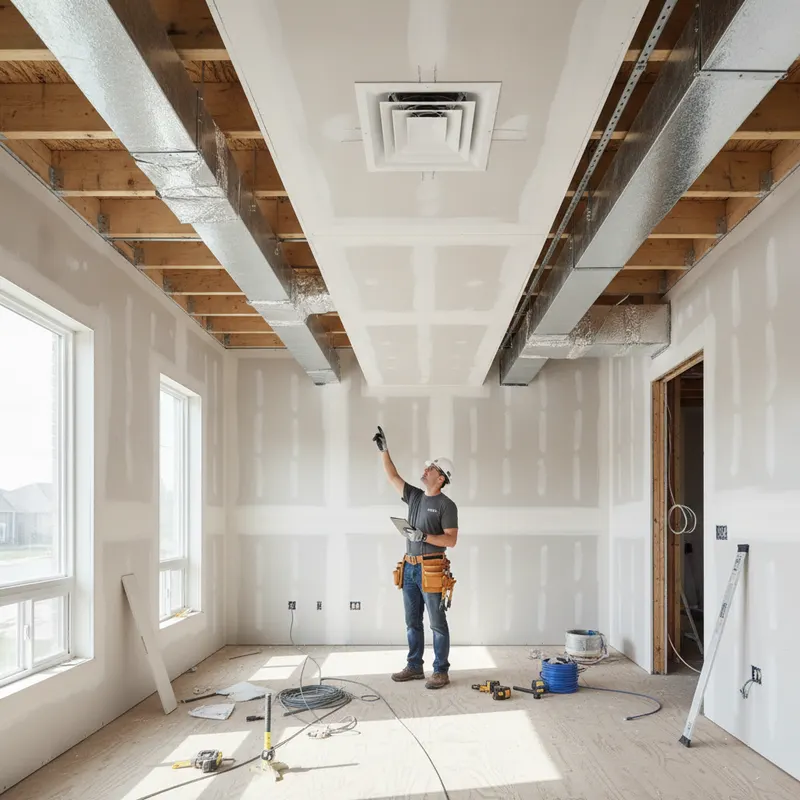
After a renovation, your HVAC system needs some TLC. Dust and debris from construction can take a toll on your heating and cooling setup. I’ve seen folks forget about their HVAC after a big remodel, and it comes back to bite them.
A good post-renovation HVAC service should include a thorough duct cleaning, filter replacement, and system inspection. This isn’t just about keeping your air clean - it’s about protecting your investment and keeping your energy bills in check. I’ve pulled systems apart that were clogged with drywall dust and paint chips. Trust me, you don’t want that circulating through your home.
Don’t skimp on this step. A proper HVAC checkup after renovations can prevent breakdowns and improve air quality. It’s like giving your system a fresh start, ready to keep you comfortable for years to come. And let’s face it, after all the hard work of renovating, you deserve to breathe easy in your newly upgraded space.
Key Takeaways
- HVAC systems need cleaning and inspection after renovations to remove construction debris
- Professional duct cleaning improves air quality and system efficiency
- Regular HVAC maintenance prevents costly breakdowns and extends system lifespan
Assessing Your HVAC System Post-Renovation
After a renovation, it’s crucial to give your HVAC system a thorough once-over. I’ve seen plenty of cases where dust and debris wreaked havoc on heating and cooling units. Let’s roll up our sleeves and take a closer look.
Evaluating Heating and Air Conditioning Units
First things first, I’m going to check those heating and AC units. Dust is the enemy here, folks. I’ll inspect the filters - they’re probably clogged up something fierce. If they look like a dust bunny convention, it’s time for new ones.
Next, I’ll fire up the system and listen for any unusual noises. Bangs, rattles, or wheezes? That’s a red flag. I’ll also keep an eye on how it’s performing. Is it struggling to reach the set temperature? That could mean trouble.
Don’t forget about those outdoor units! I’ll make sure they’re clear of any renovation debris. Leaves, twigs, or leftover construction materials can really mess with efficiency.
Inspecting Ductwork for Dust and Debris
Now, let’s talk ductwork. This is where things can get messy. I’ve seen ducts so full of dust you could write your name in it. That’s bad news for your indoor air quality and your wallet.
I’ll start by checking the visible sections of ductwork for any damage. Holes or gaps? That’s wasted energy and money. Then, I’ll peek inside with a camera to see what we’re dealing with.
If it’s dusty in there, we might need a professional cleaning. Trust me, it’s worth it. Clean ducts mean better airflow and less strain on your HVAC system. Plus, you won’t be breathing in all that renovation dust every time the heat kicks on.
The Importance of Indoor Air Quality
After renovations, your home’s air quality can take a hit. I’ve seen it time and time again. Let’s talk about why clean air matters and how to keep it that way.
Controlling Mold Growth and Allergens
Mold and allergens love to crash the party after renovations. I’ve walked into homes where the smell hits you like a truck. Here’s the deal:
- Moisture is the enemy. Keep humidity below 50%.
- Check for water leaks pronto. Even small ones can cause big problems.
- Use HEPA filters in your HVAC system. They’re like bouncers for your air.
I always say, “An ounce of prevention is worth a pound of cure.” Regular cleaning is key. Vacuum often, especially after renovations. And don’t forget those hard-to-reach spots. Dust and allergens love to hide.
Benefits of Proper Ventilation
Let’s talk ventilation. It’s not just about fresh air – it’s about healthier living. Here’s why it matters:
- Reduces pollutants and odors
- Helps control moisture
- Improves overall air quality
I always tell homeowners to open those windows when weather permits. It’s nature’s air purifier. But for year-round protection, a good HVAC system is your best friend.
Remember, stale air is like a bad houseguest – it overstays its welcome and makes everyone uncomfortable. Keep that air moving! Use exhaust fans in bathrooms and kitchens. They’re not just for show.
Your lungs will thank you for the effort. Trust me, I’ve seen the difference good ventilation makes. It’s night and day.
Enhancing Energy Efficiency
After renovations, it’s crucial to focus on boosting your HVAC system’s efficiency. I’ve seen firsthand how small changes can lead to big savings on energy bills. Let’s dive into some practical ways to make your system work smarter, not harder.
Optimizing Thermostat Settings
I always tell homeowners that a programmable thermostat is their best friend. It’s like having a personal energy manager. Set it to adjust temperatures when you’re asleep or away, and you’ll see those energy costs drop.
Here’s a tip I swear by: For every degree you raise your thermostat in summer or lower it in winter, you can save about 1% on your energy bill. That adds up fast!
Don’t forget about zoning. If you’ve added new rooms, consider setting up different zones. This way, you’re not cooling or heating empty spaces.
Upgrading to Energy-Efficient Systems
Now, let’s talk about the big guns. If your HVAC system is older than my first toolbox, it’s time for an upgrade. Energy-efficient HVAC equipment can be a game-changer for your home and wallet.
Look for systems with high SEER ratings. These babies can cut your cooling costs by up to 50%. It’s an investment, sure, but one that pays off faster than you’d think.
For those of you who’ve added new spaces, consider ductless mini-splits. They’re perfect for additions and can be a real energy-saver.
Don’t forget about your ducts. After renovations, it’s crucial to check for leaks. I’ve seen ducts lose up to 30% of heating or cooling energy through leaks. That’s like throwing money out the window!
Routine HVAC Maintenance
I’ve seen my fair share of HVAC systems, and let me tell you, regular upkeep is key. It’s not just about comfort - it’s about keeping your system running smoothly and efficiently for years to come.
The Necessity of Regular HVAC Cleaning
Dirt and dust are the enemies of your HVAC system. I’ve crawled through enough dirty ducts to know that neglect leads to trouble. Regular cleaning keeps your system running at its best and helps prevent breakdowns.
Here’s what I recommend:
• Clean or replace air filters monthly
• Vacuum vents and registers
• Clear debris from outdoor units
Don’t forget about your ducts! They can collect all sorts of nasty stuff. I’ve seen ducts so clogged they could barely move air. A good cleaning every few years can make a world of difference.
Filter Replacement for Optimal Performance
Filters are the unsung heroes of your HVAC system. I can’t stress enough how important they are. A clean filter means clean air and a happy system.
Changing filters regularly is one of the easiest things you can do to maintain your HVAC. Here’s my advice:
- Check your filter monthly
- Replace it when it looks dirty (usually every 1-3 months)
- Use the right size and type for your system
Don’t skimp on quality. A good filter will trap more particles and keep your system running efficiently. Trust me, your lungs and your wallet will thank you.
Professional HVAC Service and Inspection
As handy as you might be, some jobs are best left to the pros. I’ve seen too many DIY disasters to count. Annual professional maintenance is crucial for keeping your system in top shape.
A good technician will:
• Check refrigerant levels
• Test for leaks
• Inspect electrical connections
• Lubricate moving parts
They’ll catch small issues before they become big, expensive problems. It’s like getting a check-up for your HVAC. I always say, an ounce of prevention is worth a pound of cure.