
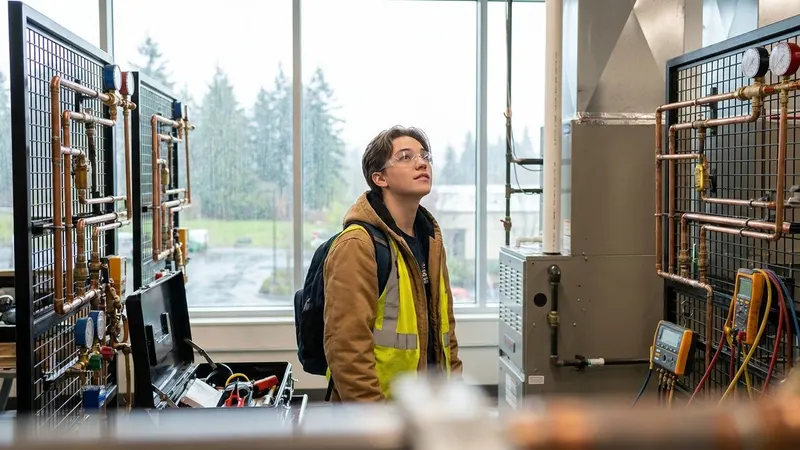
If you’re looking to start a career in HVAC, you’re in luck. This field offers great opportunities for those willing to put in the work. I’ve been in the trenches and can tell you firsthand that Washington, DC is the best city for HVAC technician jobs, while Alaska tops the list as the best state for HVAC careers.
The HVAC industry is booming, with skilled technicians in high demand across the country. But it’s not just about location. Getting into HVAC requires the right mix of training and hands-on experience. I’ve seen folks succeed through various paths, from trade schools to apprenticeships.
One thing’s for sure - this isn’t a desk job. As an HVAC tech, you’ll be working with your hands, solving problems, and keeping people comfortable in their homes and workplaces. It’s a rewarding career that combines technical know-how with practical skills. Trust me, there’s nothing quite like the satisfaction of fixing a broken AC on a scorching summer day.
Key Takeaways
- HVAC offers promising career prospects with high demand for skilled technicians
- Training options include trade schools, apprenticeships, and on-the-job learning
- HVAC work involves hands-on problem-solving and technical expertise
Understanding HVAC and Its Importance
HVAC systems are the unsung heroes of our homes and buildings. I’ve seen firsthand how these systems keep us comfortable year-round and help us save energy. Let’s dive into what makes HVAC tick.
Foundations of Heating, Ventilation, and Air Conditioning
HVAC technicians like me work with systems that control temperature, humidity, and air quality. We deal with furnaces, air conditioners, and ventilation equipment daily.
Heating systems warm our spaces in winter. They use furnaces, boilers, or heat pumps to keep us cozy.
Air conditioning cools and dehumidifies in summer. It uses refrigerants to remove heat from indoor air.
Ventilation is crucial for air quality. It brings in fresh air and removes stale air, pollutants, and excess moisture.
I’ve installed countless systems, and I can tell you - a well-designed HVAC setup makes all the difference in comfort and efficiency.
Advancements in HVAC Technology
Smart HVAC systems are changing the game. I’m seeing more homes with Wi-Fi thermostats that learn your schedule and preferences.
Zone control systems let you set different temperatures in different rooms. It’s a game-changer for families who can’t agree on the perfect temp.
Variable-speed compressors and fans adjust their output based on demand. They’re quieter and more efficient than older on/off systems.
Heat recovery ventilators are amazing. They transfer heat from outgoing stale air to incoming fresh air, saving energy.
I love explaining these new technologies to homeowners. It’s exciting to see how they improve comfort and save money.
Impact of HVAC on Energy Efficiency
HVAC systems use a lot of energy, but new tech is making them more efficient. I always recommend high-efficiency units to my clients.
SEER ratings for air conditioners and AFUE for furnaces tell us how efficient they are. Higher numbers mean lower energy bills.
Regular maintenance is key. I’ve seen dirty filters and coils waste tons of energy. A tune-up can make a big difference.
Green energy is making its mark on HVAC. Solar-powered AC units and geothermal heat pumps are becoming more common.
Proper insulation and air sealing work hand in hand with HVAC. I often suggest improvements in these areas to boost overall efficiency.
Starting a Career in HVAC
I’ve seen firsthand how rewarding an HVAC career can be. It’s a field with plenty of opportunities for those willing to put in the work. Let me break down the key steps to getting started in this trade.
Educational Pathways
To become an HVAC technician, you’ll need at least a high school diploma. But don’t stop there. I recommend looking into vocational schools or community colleges that offer HVAC programs. These courses will give you a solid foundation in the basics.
Some of the topics you’ll cover include:
- Refrigeration principles
- Electrical systems
- Heating technology
- Air conditioning systems
I’ve met plenty of successful techs who started with these programs. They’re a great way to get your foot in the door.
The Value of Apprenticeships
Now, let me tell you about apprenticeships. They’re gold in this industry. As an apprentice, you’ll work alongside experienced pros, learning the ropes hands-on.
Apprenticeships usually last 3-5 years. During this time, you’ll:
- Earn while you learn
- Gain practical skills
- Build a network in the industry
I can’t stress enough how valuable this experience is. It’s where you’ll really start to understand the ins and outs of HVAC work.
Certifications and Licenses
Once you’ve got some experience under your belt, it’s time to think about certifications. These aren’t just fancy pieces of paper - they show you know your stuff.
The NATE certification is a big one in our field. It’s recognized nationwide and can really boost your career prospects.
Other important certifications include:
- EPA Section 608
- HVAC Excellence
Don’t forget about licenses. Requirements vary by state, but most will need you to pass an exam. Trust me, these credentials are worth the effort. They’ll open doors and help you stand out in the job market.
Skills and Experience
Getting into HVAC takes more than just book smarts. You need a mix of technical knowledge, hands-on skills, and real-world experience. I’ve seen countless folks succeed in this field by mastering these key areas.
Technical Know-How
Let’s start with the brains of the operation. As an HVAC pro, you’ve got to know your stuff inside and out. I’m talking about understanding complex systems like heating, cooling, and ventilation. You’ll need to wrap your head around:
- Refrigeration cycles
- Electrical circuits
- Airflow dynamics
- Blueprint reading
I can’t stress enough how important it is to keep learning. The tech in this field changes faster than you can say “thermostat”. Stay sharp by taking online courses or getting certifications.
Hands-On Training
Now, let’s get our hands dirty. All the book learning in the world won’t help if you can’t apply it in the real world. Here’s what you need to focus on:
- Tool proficiency
- Troubleshooting techniques
- Safety procedures
- Installation methods
I always tell newbies to practice, practice, practice. Get yourself a good training program that lets you work with actual equipment. The more you sweat in training, the less you’ll bleed on the job.
Workplace Experience
This is where the rubber meets the road. Nothing beats real-world experience when it comes to honing your HVAC skills. I’ve seen plenty of green techs turn into seasoned pros through:
- Apprenticeships
- Entry-level positions
- Internships
These opportunities let you work alongside experienced technicians, learning the tricks of the trade. You’ll face real problems, deal with actual customers, and develop those crucial communication skills. Trust me, there’s no substitute for getting your boots on the ground.
Employment Landscape for HVAC Professionals
The HVAC field is hot right now, with plenty of opportunities for skilled technicians. I’ve seen firsthand how this industry offers job stability, room for growth, and the chance to earn a solid living.
Industry Demand and Job Stability
Let me tell you, the HVAC career path is looking mighty fine. The Bureau of Labor Statistics projects a 6% growth in HVAC jobs from 2022 to 2032. That’s on par with the average for all jobs, which means steady work for us.
I’ve noticed more buildings going up and older ones getting upgrades. This means more heating and cooling systems to install and maintain. It’s not just new construction either - folks are always needing repairs on their existing units.
Climate change is also driving demand. As temperatures get more extreme, people rely even more on their HVAC systems. This creates a constant need for our skills.
Potential for Career Advancement
In my years in the field, I’ve seen plenty of ways to move up the ladder. You might start as an apprentice, but with hard work and some extra training, you can become a lead technician or even start your own business.
Specializing can boost your earning potential. You could focus on green technologies, industrial systems, or refrigeration. Each niche can open doors to higher-paying gigs.
Some techs I know have moved into sales or management roles. Others have become instructors, passing on their knowledge to the next generation of HVAC pros.
Navigating the Job Market
When it comes to finding work, I always say it’s about location, location, location. Washington, DC tops the list for HVAC jobs, but there are opportunities all over.
I recommend checking out job boards and industry websites. But don’t underestimate the power of networking. Join professional organizations, attend trade shows, and connect with other techs.
Certifications can give you an edge. NATE certification is widely respected in our field. EPA certification is a must for handling refrigerants.
Remember, employers are looking for more than just technical skills. They want problem-solvers who can communicate well with customers. Show off those soft skills in your interviews.