
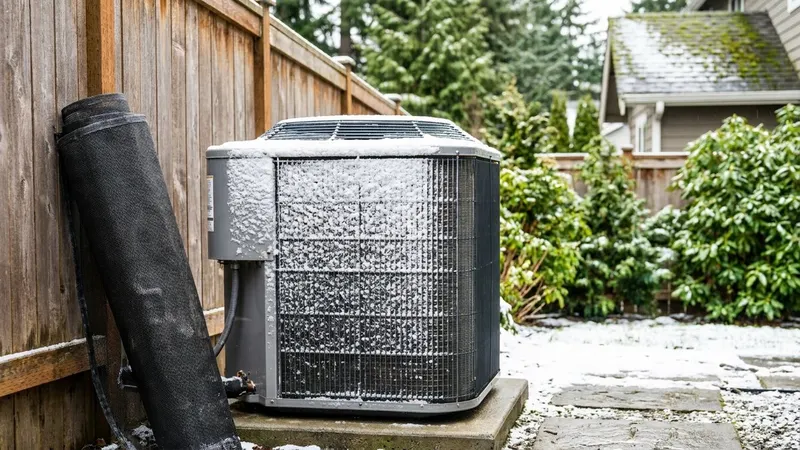
Winter can be tough on your HVAC system, but with a little know-how, you can keep it running smoothly all season long. I’ve seen my fair share of frozen units and busted pipes over the years, and trust me, it’s not a pretty sight. To protect your HVAC in winter, cover your outdoor AC unit, clear snow and ice buildup, and schedule regular maintenance checks.
Taking care of your HVAC isn’t just about comfort – it’s about saving money and avoiding costly repairs down the road. I’ve learned that a little prevention goes a long way. By following some simple steps, you can make sure your system is ready to tackle whatever Old Man Winter throws its way.
Key Takeaways
- Cover and clean your outdoor unit to prevent damage from snow and ice
- Schedule regular maintenance checks to catch issues early
- Keep indoor vents clear and change filters often for optimal performance
Understanding Your HVAC System
Your HVAC system is your home’s comfort powerhouse. It’s a complex network of parts that work together to keep you cozy. Let’s break it down so you can see what’s really going on behind the scenes.
Key Components of HVAC Equipment
The heart of your HVAC system is the furnace or heat pump. This bad boy generates the heat that keeps you warm. Connected to it is a network of ducts – think of them as roads that carry warm air to every room.
Your AC unit sits outside, working hard to cool things down in summer. It’s got a compressor, condenser coil, and fan that team up to make cold air.
The thermostat is your system’s brain. It tells everything when to turn on and off. Don’t underestimate this little gadget – it’s smarter than you think!
Air filters are the unsung heroes. They catch dust and gunk, keeping your air clean. I can’t stress enough how important it is to change these regularly.
How Winter Weather Affects HVAC Units
Winter can be tough on your HVAC, especially the outdoor unit. Snow and ice are not its friends. They can block airflow and make your system work overtime.
Freezing temps can cause issues too. Your heat pump might struggle to pull warmth from the cold air. This is when it kicks into emergency heat mode, which can hike up your energy bills.
Moisture from melting snow can seep into your system and freeze, causing damage. It’s no joke – I’ve seen units completely iced over.
Cold air can also make your ducts contract, leading to leaks. This means your warm air might be escaping before it reaches you. Not good for comfort or your wallet!
Preventative Measures for Winter
I’ve seen my fair share of HVAC units damaged by winter weather. Trust me, a little prevention goes a long way. Let’s roll up our sleeves and get your system ready for the cold months ahead.
Professional Maintenance Checks
I always tell homeowners to get a pro in before the temperature drops. A professional maintenance check is like giving your HVAC system a suit of armor against winter’s assault.
Here’s what I make sure gets done:
- Inspect and clean the coils
- Check refrigerant levels
- Test the thermostat
- Lubricate moving parts
These checks can catch small issues before they become big, expensive problems. I’ve seen it time and time again – a little attention now saves a lot of headaches later.
Regular Maintenance Routines
Now, I’m not saying you need to be an HVAC expert, but there are some things you can do yourself to keep your system humming along.
First up, change those filters monthly. It’s an easy job that makes a big difference. Clean filters mean better airflow, and that’s crucial for preventing freezing issues.
Next, keep your vents open and unobstructed. I can’t tell you how many times I’ve seen furniture blocking vents. It’s like trying to breathe with a pillow over your face – not good for your system.
Lastly, clear any debris from around your outdoor unit. Leaves, twigs, and snow can all cause problems if they pile up.
Covering Your AC Unit
When it comes to your outdoor AC unit, a little protection can go a long way. I recommend using a winter-proof cover to shield it from snow and ice.
But here’s the thing – don’t completely seal it off. You want to allow some airflow to prevent moisture buildup. Think of it like putting on a jacket, not wrapping yourself in plastic wrap.
For areas with heavy snowfall, consider installing snow legs. These risers lift your unit above the snow line, preventing it from getting buried. It’s a simple solution that can save you a world of trouble.
Mitigating Snow and Ice Buildup
Snow and ice can really do a number on your HVAC system if you’re not careful. I’ve seen it all in my years of experience, and I’m here to share some top-notch tips to keep your system running smoothly all winter long.
Manual Removal Techniques
First things first, let’s talk about getting that snow and ice off your unit. I always start by gently brushing off loose snow with a soft-bristled broom. It’s quick and easy, and it prevents buildup before it becomes a problem.
For stubborn ice, I recommend using warm water. Just pour it over the ice to melt it away. Never use hot water though – that sudden temperature change can crack your unit’s coils.
Here’s a handy list of tools I keep in my winter HVAC toolkit:
- Soft-bristled broom
- Plastic shovel (metal can damage the unit)
- Bucket of warm water
- Old towels for drying
Remember, never use sharp objects to chip away at ice. I’ve seen too many damaged units from well-meaning homeowners trying to be ice sculptors.
Preventing Ice Buildup on Heat Pumps
Now, let’s talk about keeping ice off your heat pump in the first place. I always tell homeowners that prevention is key. One of my go-to solutions is installing a heat pump cover. It’s like a cozy winter coat for your unit.
Another trick I’ve used with great success is snow legs. These nifty risers lift your heat pump above the average snowfall in your area. It’s a simple fix that can save you a lot of headaches.
Don’t forget about proper drainage. I make sure the area around the unit slopes away to prevent water from pooling and freezing. A little landscaping goes a long way in protecting your investment.
Lastly, keep your heat pump running efficiently. A well-maintained unit is less likely to freeze up. I always recommend regular professional check-ups to catch any issues before they become big problems.